
Here is How to Give Some Support to Friends Diagnosed with Cancer – When we heard the news, we may want to visit them immediately or maybe to send an encouraging gift. However, most of us tend to get lost. We don’t know what to do and what to say. According to the experts, the following ways should help you in delivering support without creating bad atmosphere.
• Ask First
Whenever you want to visit, it is important to ask them first. Is it a good time for you to visit or your friend wants some private time? Don’t take it personally when your friend refuses or cancel during last minutes. With this diseases, everything is unpredictable.
• You Need a Phone Team
Just as customer care in online casinos like https://multibet88.online, you can point someone to keep in touch with your friend. He or she should deliver the update on your friend status and condition to the others. This should help your friend from the obligation to update the circle.
• Some Aid on the Daily Errands
Most people with cancer hesitate to ask for this, but they actually need help in daily basis. You can offer to help in several errands or tasks like doing the laundry, picking up the kids from school, or grocery shopping and babysitting.
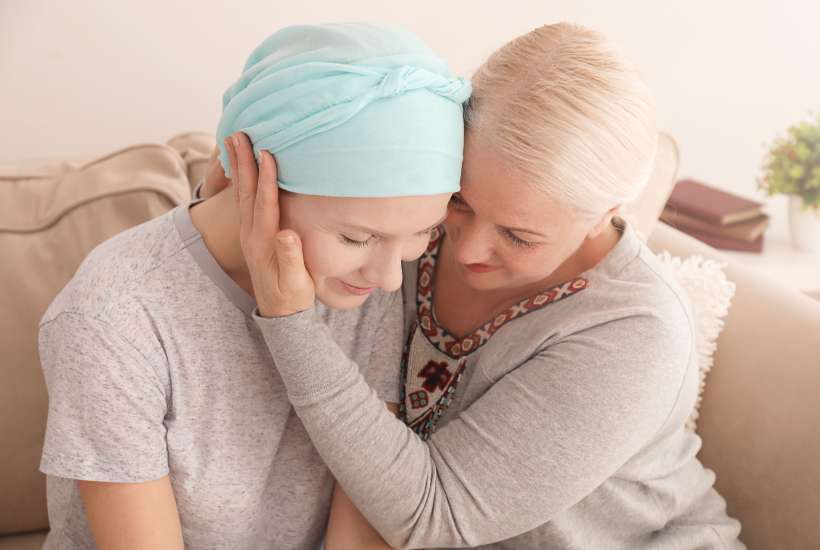
• Listen to Your Friend
Diagnosed with cancer, your friend may need someone to talk to. All you need to do is listen without the need to judge or to lead your friend to feel or think in certain way. If you don’t know what to say, this can be a huge help that you can offer.
• Never Compare
In cancer, every person may have different condition and symptoms. When your friend tells you all about it, you shouldn’t compare it. Someone else in your circle may have the same disease, but the entire details can be different. In addition to it, comparing illnesses is never helpful.
Situs Slot Resmi Dengan Layanan Terbaik 24 Jam

6 Provider Terbaik Di Situs Judi Slot Resmi dan Terpercaya
Situs slot resmi menjalin kemitraan dengan banyak platform berlisensi sebagai komitmen menyajikan slot online berkualitas tinggi. Slot klasik ideal bagi pemula serta jenis mesin slot favorit lainnya terhubung pada satu ID. 6 provider paling gacor pasti ada di situs judi slot terpercaya adalah: Game Pragmatic Play, tidak pernah gagal mengembangkan slot online dengan detail sempurna. Koleksi mereka sangat tepat untuk bet online uang asli karena dipantau Malta Gaming Authority. Berdiri mulai 2007, platform ini konsisten membuat game slot bervariasi memakai tema-tema menarik. Game Habanero menghadirkan nuansa otentik budaya tradisional Tiongkok pada setiap permainan yang mereka rilis. Basis layanan berada di Asia dan Eropa tetapi sebagian besar koleksinya bertema mitologi atau budaya Asia. Grafis luar biaya melengkapi daya tarik slot Habanero. Game PG Soft pertama kalinya merilis slot gacor tahun 2015 dengan pusat layanan di Malta, Inggris. Seiring kesuksesannya, Perusahaan ini membuka basis pelayanan di Amerika utara, Eropa dan Asia. PG Soft mempunyai slot jackpot terbesar. Game Spadegaming adalah developer slot Asia terbaik memahami budaya di wilayah tersebut sangat baik memastikan tidak ada permainan mereka yang gagal menunjukkan keindahan budaya atau mitologi tertentu. Menyeleksi tim secara ketat, teknologi canggih dan sertifikasi oleh Malta Gaming merupakan keunggulan slot Spadegaming. Game Real Time Gaming memilih mengembangkan judi slot berdasarkan mitologi, acara budaya atau hal-hal lain berhubungan dengan Negara Asia. RTG slot termasuk provider terlama sebab mulai muncul di tahun 1998. Ratusan judul game slot Real Time Gaming menawarkan angka return to player tinggi. Game Microgaming adalah developer judi slot pertama di tahun 1994 dan pihak pertama yang membuat slot mobile friendly. Microgaming berbagai banyak inovasi keren hingga hadiah terbesar pada masing-masing slot mereka.
Pilihan Slot Online Terbaru Lebih Lengkap
Situs judi slot bermitra dengan beberapa platform slot online artinya variasi game lebih lengkap. Semua pilihan judi slot berlaku untuk satu ID login. Member tidak kesulitan bertaruh pada slot berbeda. situs slot online menyediakan bocoran game slot terbaru dari banyak provider handal. Berikut ini bocoran judi slot terbaru yang diberikan setiap hari oleh situs judi slot resmi dan terbaik: 1. Monkey Battle For The Scrolls. Judi slot tergacor bertema Kera Sakti ini berhasil memikat banyak orang apalagi sudah banyak game slot tema serupa sebelumnya menjadikan slot online ini tidak asing. Ada 3 reel, 5 baris dan 243 payline. RTP slot tinggi dengan hadiah 10.000 kali lipat. 2. Timber Stacks. Tema Tinker Bell membawa anda ke Dunia Peri dipenuhi keindahan. Pragmatic Play mengembangkan permainan slot gacor Timber Stacks dilengkapi freespin, buyspin dan RTP slot 96,53%. 3. Viking Forge. Viking bukan tema baru dalam industry i-gaming dan game ini menggunakan tema populer tersebut dengan tampilan audio-grafis luar biasa. Banyak petualangan khas suku Viking selama mesin slot dijalankan. Peluang menang besar diberikan karena ada RTP 96,05%. 4. Mr. Toad Gold Megaways. Direkomendasikan bagi peminat slot yang memakai banyak simbol hewan. Dalam permainan muncul banyak kodok yang berada di habitatnya. Dibuat memiliki 6 reel dan 5 baris. Berlaku 117.649 cara menang.Alasan Harus Bermain Di Situs Slot Online Terpercaya
Sejujurnya terdapat beberapa alternatif bermain judi slot saat ini artinya tidak harus bergabung di situs slot online. Namun, ada alasan mengapa lebih bijak menjalankan mesin slot gacor online di bandar terpercaya. Tentu jaminan keamanan merupakan faktor utama. Bet online uang Sali memunculkan banyak resiko jadi situs judi terbaik berperan sebagai penyedia sistem keamanan canggih melindungi semua rahasia. Tidak berbagi kata sandi pada pihak lain didukung keamanan professional, peretasan data pribadi member tidak mungkin terjadi. Pemain membutuhkan akses dan layanan yang mudah setiap saat. Bandar slot online resmi mempunyai link alternatif cocok untuk segala perangkat termasuk tablet serta android. Cukup ada di tempat yang menyediakan jaringan internet pasti bisa membuka website lalu melakukan login melalui ID member. Transaksi apapun tanpa ribet. Registrasi gratis hanya bagi pemain berusia di atas 18 tahun, sistem pembayaran deposit lengkap dan bisa withdraw. Setiap menemukan waktu hoki bisa langsung masuk hingga bertaruh tanpa gangguan. Customer service handal terhubung pada live chat situs slot online sebagai pusat seluruh bantuan. Informasi terbaru diberikan oleh CS terbaik yang selalu hadir 24 jam nonstop setiap hari. Dapatkan keuntungan lebih banyak selama menjalankan bet uang ali di web judi slot terpercaya karena slot lengkap menawarkan hadiah besar dan berbagai promosi judi slot. Anda bisa nyaman main judi slot setelah registrasi di situs resmi.Bagaimana Mengelola Rasa Takut Akan Kekambuhan Kanker

Bagaimana Mengelola Rasa Takut Akan Kekambuhan Kanker – Mengatasi kanker atau menyelesaikan pengobatan dapat membuat banyak orang yang selamat merasa berada di puncak dunia. Tapi ada emosi mentah lain yang sangat nyata yang juga dirasakan oleh para penyintas kanker: takut kambuh , atau takut kanker datang kembali.
Bagaimana Mengelola Rasa Takut Akan Kekambuhan Kanker
invisibleillnessweek – Meskipun rasa takut akan kekambuhan adalah hal yang normal di antara para penyintas kanker, bergulat dengan rasa takut itu bisa jadi sulit, terutama jika Anda hanya ingin melangkah maju dalam hidup Anda.
Baca Juga : Bagaimana Menghentikan Ketakutan Akan Kanker dalam Jejaknya
Kecemasan tentang hal yang tidak diketahui adalah normal
Orang yang mengalami ketakutan akan kekambuhan seringkali memiliki kecemasan terhadap setiap rasa sakit, ketidaknyamanan atau sensasi yang ada pada tubuhnya. “Seseorang bisa merasakan sakit di kakinya dan langsung mengira kankernya telah kembali,” kata Stone. “Meskipun secara logis mereka tahu itu bukan kanker, mereka masih memiliki ketakutan yang tidak masuk akal itu.”
Rasa sakit baru apa pun juga dapat memicu respons serupa. “Sering kali, jika seseorang mengalami rasa sakit baru, mereka mengaitkannya dengan salah satu gejala kanker sebelumnya,” kata Green. “Mereka dapat mulai berpikir bahwa ini adalah kembalinya kanker mereka.” Banyak kecemasan berasal dari individu yang tidak mempercayai tubuh mereka.
“Saya memiliki beberapa pasien yang mengatakan kepada saya bahwa mereka mengalami banyak efek samping dari perawatan kemoterapi mereka , dan jika mereka harus mengalaminya lagi, mereka tidak tahu apakah mereka dapat mengatasinya,” kata Green. “Ini adalah angin puyuh kecemasan di mana mereka terjebak berpikir mereka tidak akan tahu apa yang harus dilakukan padahal kenyataannya mereka telah mencapai begitu banyak. Mereka memiliki keterampilan mengatasi, kekuatan dan tim pendukung. Ini hanya tentang mendapatkan pola pikir itu.
Remaja dan dewasa muda menghadapi tantangan yang unik
Green, yang bekerja dengan pasien berusia 15 hingga 39 tahun, mengatakan didiagnosis menderita kanker pada usia muda sering menghadirkan tantangan tersendiri ketika takut kambuh.
“Kebanyakan ketakutannya adalah, ‘Saya tidak bisa mengendalikannya saat pertama kali, jadi apa yang harus saya lakukan jika penyakit ini muncul kembali?’” kata Green. “Karena ketakutan ini, banyak remaja akan menghambat pertumbuhan pribadinya. Mereka memilih untuk tidak kembali ke sekolah, menghindari berteman atau memulai hubungan baru karena mereka takut jika kanker datang kembali, mereka akan kehilangan semua hal tersebut.”
Banyak fokus pada pembingkaian ulang pola pikir dari salah satu malapetaka menjadi menyadari tidak semuanya terulang kembali. “Ini banyak dari satu gejala, satu rasa sakit, satu hari dalam satu waktu,” kata Green. “Ini adalah satu momen pada saat ‘Saya dapat mempercayai tubuh saya bahwa batuk ini hanyalah batuk.’”
Di Klinik Remaja dan Dewasa Muda MD Anderson , Green dan rekan-rekannya membangun hubungan dengan pasien selama sesi konseling, yang mencakup Terapi Perilaku Kognitif untuk membantu membingkai ulang pemikiran tentang kekambuhan. “Kami membantu mereka memahami bahwa terkadang mereka hanya pilek atau terkadang mereka mengalami serangan panik karena cemas,” kata Green. “Kami mengajari mereka perbedaan antara gejala fisiologis dan apa yang ada di kepala mereka.”
Kenali pemicu Anda
Orang yang tidak serta merta hidup dengan ketakutan akan kekambuhan setiap hari masih bisa dipicu oleh hal-hal tertentu. “Mereka mungkin baik-baik saja, dan kemudian sesuatu mungkin terjadi, apakah itu ulang tahun diagnosis kanker mereka, pemindaian yang akan datang, atau bahkan iklan di TV tentang kanker,” kata Newsom. “Itu memicu ketakutan itu dan membawa mereka kembali ke tempat kecemasan.”
Setiap orang berbeda, jadi penting untuk mempelajari cara mengenali pemicu Anda sehingga Anda dapat mengelolanya.
“Saat Anda terpicu, hentikan apa yang Anda lakukan dan terapkan semacam mekanisme penanggulangan, baik itu mengambil lima napas dalam-dalam, berjalan-jalan, atau menelepon teman untuk mengalihkan perhatian Anda,” kata Newsom. “Jika Anda menyadari apa yang memicu Anda, Anda dapat mengelolanya dengan lebih baik. Karena pemicu akan terjadi.”
Pelajari strategi koping yang efektif
Salah satu cara untuk mengatasi rasa takut akan kekambuhan adalah dengan berfokus pada apa yang dapat Anda kendalikan. “Anda tidak dapat mengontrol apakah kanker kembali, jadi fokuslah pada apa yang dapat Anda lakukan untuk mendukung diri sendiri dengan cara lain,” kata Stone. “Lakukan hal-hal yang membuat Anda merasa nyaman, seperti istirahat yang cukup, menghabiskan waktu di alam bebas, bernyanyi, membelai anjing, tertawa, melakukan hobi, atau menghabiskan waktu bersama orang tersayang.”
Apa pun yang dapat membantu Anda tetap berada di saat ini dan tidak mengkhawatirkan apa yang mungkin terjadi di masa depan adalah yang terbaik.
“Banyak orang dalam kelompok pendukung penyintas kanker yang saya fasilitasi berbicara tentang pentingnya rasa syukur, dan ketika mereka merasa kewalahan, itu membantu mereka untuk fokus pada hal-hal yang harus mereka syukuri,” kata Newsom. “Banyak dari mereka membuat jurnal rasa syukur, jadi di saat-saat cemas, mereka mengeluarkannya dan mengingatkan diri sendiri bahwa mereka memiliki begitu banyak hal hebat yang terjadi dalam hidup mereka.”
Menemukan strategi penanggulangan yang berhasil untuk Anda tidak harus menjadi usaha besar; lebih mudah untuk memulai dari yang kecil. “Lakukan satu hal dalam sehari yang hanya untuk Anda – bukan untuk orang penting Anda, pasangan Anda, anak-anak Anda, pengasuh Anda, atau tim medis Anda,” kata Green. “Itu bisa bekerja untuk tujuan pribadi atau hanya duduk di luar menyaksikan matahari terbit sambil minum secangkir kopi favorit Anda. Mampu memilih untuk melakukan sesuatu yang Anda sukai adalah cara yang bagus untuk memulai hari Anda.”
Bagaimana Menghentikan Ketakutan Akan Kanker dalam Jejaknya

Bagaimana Menghentikan Ketakutan Akan Kanker dalam Jejaknya – Tidak diragukan lagi: Kanker itu menakutkan. Namun terkadang ketakutan akan kanker cukup membuat seseorang tertekan secara signifikan. Seorang dokter membagikan nasihatnya untuk mengelola kecemasan terkait kanker.
Bagaimana Menghentikan Ketakutan Akan Kanker dalam Jejaknya
invisibleillnessweek – Ada banyak kemajuan di bidang kanker dalam beberapa tahun terakhir, dan secara keseluruhan, penderita kanker saat ini hidup lebih lama dari sebelumnya. Meski begitu, bisa dimaklumi bahwa kanker masih menimbulkan rasa takut pada manusia. Deborah Korenstein, Kepala Layanan Kedokteran Umum di Memorial Sloan Kettering, memahami hal ini dengan baik. Dia secara teratur melihat orang-orang yang khawatir bahwa gejala mereka adalah tanda peringatan kanker. Dr. Korenstein membagikan beberapa saran untuk mengatasi ketakutan ini.
Baca Juga : 10 Tips Mendukung Teman Penderita Kanker
1. Temukan dokter yang dapat Anda andalkan.
Kepercayaan adalah inti dari semua hubungan, dan hubungan dengan dokter Anda tidak berbeda. “Yang paling penting adalah memiliki dokter yang dapat meyakinkan Anda saat ada sesuatu yang tidak berarti dan menyelidikinya saat tidak ada,” kata Dr. Korenstein. Jika Anda tidak cocok dengan dokter Anda, tidak apa-apa – lanjutkan dan temukan seseorang yang lebih cocok.
2. Terimalah bahwa Anda mungkin tidak memerlukan tes.
Sama seperti Anda, dokter Anda tidak ingin melewatkan sesuatu yang penting selama janji temu Anda. “Saat dokter mengevaluasi masalah baru, sering kali kami memastikan itu bukan hal yang buruk,” kata Dr. Korenstein. Dia menambahkan bahwa beberapa dokter dapat melakukan pekerjaan yang lebih baik dalam mengomunikasikan alasan di balik rekomendasi mereka. Misalnya, jika seorang dokter memutuskan untuk tidak memesan tes darah atau tes lainnya, pasien mungkin berpikir bahwa mereka belum dievaluasi secara menyeluruh.
Tetapi dokter menilai Anda segera setelah mereka menyapa Anda, memeriksa hal-hal seperti ucapan Anda, bagaimana penampilan mata Anda, dan petunjuk lain tentang kesehatan Anda secara keseluruhan. “Evaluasi dimulai begitu dokter masuk ke ruangan,” katanya. Jika Anda khawatir tentang sesuatu yang khusus, bagikan dengan dokter Anda. Kemungkinannya, dia dapat meyakinkan Anda berdasarkan gejala Anda.
3. Gunakan Internet dengan bijak.
Menggunakan “Dr. Google” untuk mempelajari lebih lanjut tentang gejala adalah pedang bermata dua, kata Dr. Korenstein. Di satu sisi, sangat membantu ketika orang sudah mengetahui dirinya memiliki kondisi tertentu, seperti diabetes. Internet dapat membantu mereka mempelajari lebih lanjut dan menyiapkan pertanyaan untuk dokter mereka. Tetapi menggulir juga dapat membuat orang bingung jika mereka belum menemui dokter untuk mengetahui gejalanya.
Pencarian di internet tidak dapat menggantikan kunjungan langsung karena banyak konteks yang hilang, kata Dr. Korenstein. “Ada banyak histeria di Internet, dan sangat sulit untuk mengurai informasi yang baik,” tambahnya. Jika Anda tergoda untuk mencari makna di balik gejala Anda secara online, salurkan energi itu untuk melakukan hal lain. Turun ke lubang kelinci pencarian web hanya memicu kecemasan.
4. Jadilah proaktif saat Anda bisa.
“Ada banyak faktor risiko kanker yang berada di bawah kendali seseorang,” kata Dr. Korenstein. Anda pernah mendengarnya sebelumnya, tetapi perlu diulangi: Makan dengan baik, berolahraga, jangan minum terlalu banyak alkohol, dan jangan merokok sama sekali.
Jika Anda berada pada usia yang disarankan untuk pemeriksaan apa pun , manfaatkan itu, karena kanker seringkali lebih mudah diobati jika ditemukan lebih awal. Jika Anda melakukan itu, Anda melakukan hampir semua yang Anda bisa, kata Dr. Korenstein. “Perhatikan, tapi jangan terobsesi,” katanya. “Kamu harus menjalani hidupmu.”
10 Tips Mendukung Teman Penderita Kanker

10 Tips Mendukung Teman Penderita Kanker – Pekerja sosial Memorial Sloan Kettering Meredith Cammarata dan Liz Blackler memberikan saran kepada siapa saja yang ingin menawarkan dukungan kepada seseorang yang mereka kenal dengan kanker.
10 Tips Mendukung Teman Penderita Kanker
invisibleillnessweek – Setelah mengetahui bahwa seorang teman, kolega, atau tetangga menderita kanker, Anda mungkin bertanya-tanya apa yang harus Anda lakukan. Anda mungkin ingin membantu atau berpikir untuk mampir atau mengirim hadiah. Atau mungkin Anda hanya merasa bingung apa yang harus dilakukan atau apa yang harus dikatakan.
Baca Juga : 7 Virus Yang Menyebabkan Kanker Pada Manusia
Kami berbicara dengan pekerja sosial Memorial Sloan Kettering Meredith Cammarata dan Liz Blackler untuk mendapatkan tip terbaik tentang cara mendukung teman penderita kanker. Inilah yang kami pelajari.
Tanyakan sebelum Anda berkunjung.
Ini benar apakah Anda mengunjungi seseorang di rumah atau di rumah sakit. “Menjadi sakit tidak dapat diprediksi,” kata Cammarata. “Izinkan teman Anda untuk menolak kunjungan, dan bersikaplah fleksibel serta pahami bahwa seseorang yang sakit dapat menelepon dan membatalkan pada saat-saat terakhir.” Jika Anda menghubungi tetapi teman Anda tidak membalas telepon atau email Anda, jangan tersinggung.
Jika Anda berkunjung, Blackler merekomendasikan untuk memastikan Anda tidak memperpanjang sambutan Anda Anda tidak ingin teman Anda merasa berkewajiban untuk menghibur Anda. Jika Anda tidak yakin berapa lama untuk tinggal, katanya, tanyakan saja: “Saya bisa tinggal lebih lama. Atau apakah Anda ingin saya pergi dan kembali lagi lain kali?
Siapkan tim telepon.
Banyak orang dengan kanker menemukan bahwa terus memperbarui teman dan keluarga tentang status terbaru mereka kadang-kadang dapat membebani.
Cammarata merekomendasikan untuk menyiapkan tim telepon, sehingga hanya satu orang di lingkaran teman Anda yang menjangkau dan kemudian memberikan pembaruan ke anggota grup lainnya. Orang ini juga dapat memberi tahu semua orang jika teman yang sama menginginkan lebih banyak panggilan telepon atau lebih suka menyendiri.
Tawarkan bantuan untuk tugas sehari-hari.
Mungkin sulit bagi teman Anda untuk meminta bantuan, tetapi Cammarata dan Blackler mengatakan bahwa beberapa hal paling bermanfaat yang dapat Anda lakukan adalah menawarkan bantuan untuk tugas sehari-hari, seperti berbelanja bahan makanan, menjaga anak, menjemput anak dari sekolah, atau mencuci pakaian.
Cammarata menyarankan untuk membuat daftar tugas yang ingin Anda lakukan dan bertanya kepada teman Anda di mana Anda dapat membantu. Jika Anda pergi ke toko untuk keluarga Anda sendiri, hubungi teman Anda dan lihat apakah ada hal lain yang dapat Anda ambil, kata Blackler.
Mendengarkan.
“Hal-hal kecil yang paling bermakna dan membantu adalah… seperti mendengarkan,” catat Cammarata. Jika Anda tidak yakin bagaimana memulai percakapan, tidak apa-apa untuk mengatakannya juga.
“Tidak apa-apa untuk mengatakan Anda merasa canggung,” kata Blackler. “Tidak apa-apa untuk mengatakan, ‘Ini sangat sulit. Saya tidak tahu harus berkata apa.’” Ini adalah cara untuk mengakui situasi daripada berpura-pura tidak terjadi.
Ambil isyarat dari teman Anda.
Demikian pula, cari petunjuk dari teman Anda tentang apa yang harus didiskusikan. “Terkadang pasien mengungkapkan rasa frustrasinya karena teman mereka tidak mau membicarakan kankernya. Orang menjadi frustrasi karena itu adalah bagian besar dari hidup mereka,” kata Blackler. Namun, yang lain menemukan bahwa membicarakan sesuatu selain kanker dan pengobatan adalah penangguhan hukuman yang bagus.
Jika Anda tidak yakin, Blackler menyarankan untuk mengatakan sesuatu seperti, “Apakah Anda ingin membicarakannya? Jika demikian, saya di sini. Jika tidak, mari kita makan siang dan membicarakan gosip di lingkungan sekitar.”
Ingatlah bahwa penyakit setiap orang berbeda.
Sekalipun jenis kanker yang teman Anda miliki sama dengan orang lain yang Anda kenal, perlu diingat bahwa gejala dan penyakit setiap orang itu unik. Meskipun Anda mungkin ingin menjangkau kehidupan Anda sendiri untuk menemukan mata rantai yang sama, Cammarata menyarankan untuk menghindari perbandingan semacam itu. “Jangan katakan, ‘Teman saya juga didiagnosis menderita kanker usus besar stadium 4 , dan mereka baik-baik saja,’” katanya. Tidak ada gunanya membandingkan penyakit.
Pertimbangkan kembali hadiah makanan.
Mungkin Anda pernah berpikir untuk memanggang casserole, sup, atau makanan lainnya. Namun perlu diingat bahwa teman Anda mungkin perlu menjalani diet khusus selama perawatan, memiliki gejala seperti mual dan muntah, atau lebih rentan terhadap infeksi, kata Cammarata. Bergantung pada situasinya, mungkin lebih baik tidak memberi makanan.
Berikan hadiah yang bijaksana.
Memberi hadiah bisa jadi rumit karena beberapa alasan. Bunga mungkin tidak cocok untuk seseorang yang daya tahan tubuhnya lemah. Hadiah dengan parfum atau aroma yang kuat bisa membuat kewalahan bagi penderita kanker. Tetapi buku, majalah, film, atau teka-teki dapat menjadi gangguan selama kemoterapi.
Blackler mengenang seorang pasien yang menerima sertifikat hadiah untuk layanan pembersihan rumah. Menukarkan sertifikat hadiah itu membantu mengisi kekosongan di rumah dan tidak senyaman meminta teman datang untuk membersihkan, katanya.
Cammarata mengingat satu hadiah khusus yang diberikan oleh sekelompok teman. Setiap orang mendapat satu halaman dan mengisinya dengan atribut yang mereka kagumi tentang pasien, gambar, kutipan inspirasional, dan kenangan lucu. “Saya pikir itu ide yang manis,” katanya.
Dukung pengasuh dan anggota keluarga lainnya juga.
“Orang-orang begitu fokus pada pasien dan bagaimana mereka melakukannya sehingga mereka lupa untuk bertanya kepada perawat bagaimana keadaan mereka,” kata Blackler. “Pengasuh stres.” Mereka mencoba menyulap peran mereka yang ada dan mengambil alih tanggung jawab baru yang dulu dilakukan oleh orang yang sakit.
Anda dapat menawarkan bantuan dengan mengasuh anak-anak di malam hari atau mengantar mereka ke latihan sepak bola. Atau mungkin membantu hanya berarti duduk di kamar rumah sakit sementara perawat keluar untuk minum kopi.
Terus berikan dukungan setelah diagnosis awal.
“Tidak selalu pada awal penyakit pasien membutuhkan dukungan. Mereka membutuhkan dukungan di sepanjang rangkaian,” kata Cammarata. Tawaran bantuan sering kali “membanjiri di awal diagnosis dan kemudian mulai mengalir,” tambahnya. “Penting untuk diingat bahwa pertolongan tidak hanya dibutuhkan saat mereka pertama kali didiagnosis atau di rumah sakit.”
Jika Anda adalah bagian dari kelompok gereja atau organisasi serupa, kelompok Anda mungkin ingin mempertimbangkan untuk membantu secara bergiliran agar dukungan tersebar. Blackler juga menyarankan untuk menawarkan bantuan lebih dari sekali tetapi jangan terlalu sering. Tanyakan lagi dalam satu atau dua minggu. Yang terpenting, ingatlah orang itu sepanjang itu semua. Pikirkan tentang kepribadian dan tingkat kenyamanannya, kesukaan dan ketidaksukaannya, serta kebutuhannya. “Ini tentang membantu tanpa berlebihan,” kata Blackler. “Orang-orang dapat melakukan hal-hal luar biasa yang menyentuh kehidupan pasien.”
7 Virus Yang Menyebabkan Kanker Pada Manusia
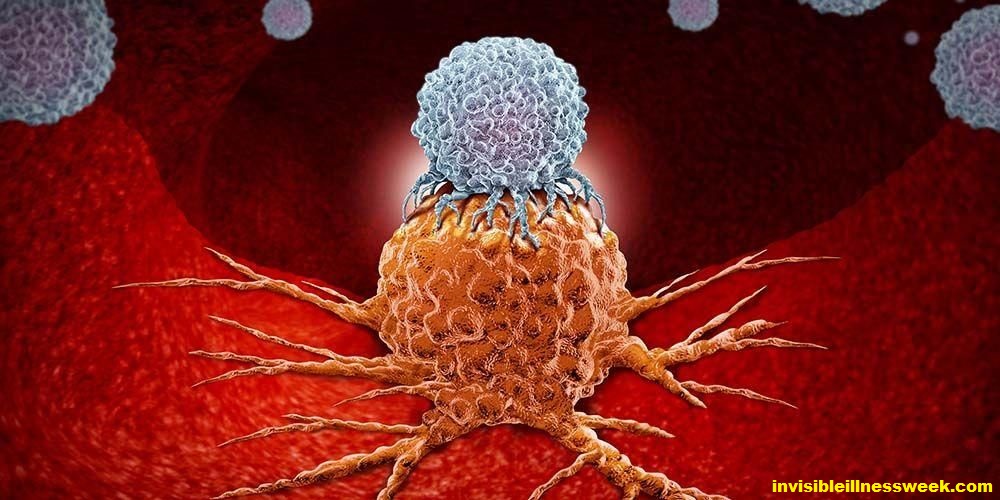
7 Virus Yang Menyebabkan Kanker Pada Manusia – Virus tumor manusia menyebabkan sekitar 12 % hingga 20% kanker di seluruh dunia. Virus dapat menyebabkan kanker dengan berasosiasi dengan protein inang , berkembang biak ketika sistem kekebalan tubuh manusia melemah, dan membajak sel manusia yang berkembang biak.
7 Virus Yang Menyebabkan Kanker Pada Manusia
invisibleillnessweek – Dibandingkan dengan virus lain, virus tumor manusia tidak biasa karena menginfeksi, tetapi tidak membunuh, sel inangnya. Hal ini memungkinkan virus tumor manusia untuk membuat infeksi terus-menerus.
Baca Juga : Pengobatan Khas Kanker Leukemia Myeloid Akut
Virus Epstein-Barr: Limfoma Burkitt, Penyakit Hodgkin, dan Karsinoma Nasofaring
Karena virus tumor manusia terkadang bergantung pada kekebalan inang yang melemah, faktor lingkungan, dan mutasi sel inang, satu jenis virus dapat menyebabkan berbagai jenis kanker. Misalnya, EBV dikaitkan dengan limfoma Burkitt, karsinoma nasofaring, dan beberapa bentuk penyakit Hodgkin . EBV dapat dengan mudah menginfeksi dan mengubah kode genetik sel B manusia, dan dapat mempengaruhi pasien imunosupresi terhadap tumor ganas.
Penemuan awalnya ( 1964 ) dan genom monoklonal menjadikan virus Epstein-Barr (EBV) salah satu contoh virus penyebab kanker yang dipelajari dengan baik. Limfoma Burkitt disebabkan oleh overekspresi gen MYC , yang mengkode faktor transkripsi yang memodulasi gen yang terkait dengan perkembangan siklus sel, apoptosis, dan transformasi seluler . Infeksi oleh EBV dapat menyebabkan mutasi MYC yang memungkinkan sel B manusia berkembang biak tanpa batas.
Bergantung pada tahap perkembangan sel B selama infeksi EBV, infeksi EBV juga dapat menyebabkan berbagai bentuk limfoma Burkitt. Wawasan terkinimenunjukkan bahwa perkembangan limfoma Burkitt mungkin bersifat polimikrobial. Misalnya, anak-anak yang baru saja terinfeksi oleh Plasmodium falciparum penyebab malaria lebih mungkin mengembangkan limfoma Burkitt.
Pada pasien dengan penyakit Hodgkin, EBV dapat langsung memicu tumorigenesis, terutama melalui ekspresi konstitutif dari MYC . Hubungan EBV dengan penyakit Hodgkin bersifat multifaktorial, dan mencakup faktor-faktor seperti negara tempat tinggal, subtipe histologis, jenis kelamin, etnis, dan usia.
Terakhir, EBV dapat menyebabkan karsinoma nasofaring, yang mungkin merupakan akibat dari laten virus pada sel epitel nasofaring. Mutasi genetik yang disebabkan oleh infeksi EBV tergantung pada jenis dan strain virus, tetapi merokok telah dikaitkan dengan karsinoma nasofaring dan mungkin menyebabkan reaktivasi EBV .
Patolog telah mampu memanfaatkan kemajuan terbaru dalam onkologi virus untuk memvisualisasikan kanker di bawah mikroskop. Pelabelan ganda sel-sel ganas, seperti pada Gambar 1, menunjukkan ekspresi bersama RNA awal virus Epstein-Barr (berwarna hitam kecoklatan) dan protein membran laten 1 (LMP1; berwarna merah). LMP1 adalah penanda pengganti yang mapan untuk EBV , dan terlihat pada Gambar 1 melalui pewarnaan imunohistokimia sel yang terinfeksi EBV.
Human Papillomavirus 16 dan 18: Karsinoma Serviks, Karsinoma Anal, Karsinoma Orofaringeal, Karsinoma Penis
Human papillomavirus (HPV) adalah virus menular seksual yang paling umum di dunia, dan terdapat pada 79 juta orang Amerika . Genom HPV dibagi menjadi tiga wilayah : wilayah regulasi hulu noncoding; wilayah “awal”, yang terlibat dalam replikasi virus dan onkogenesis; dan daerah “terlambat”, yang mengkodekan protein struktural untuk kapsid virus.
Ketika genom HPV terintegrasi ke dalam kromosom manusia, itu mengganggu kerangka pembacaan terbuka dan menyebabkan ekspresi berlebihan dari dua onkogen virus . Onkogen ini menurunkan ekspresi protein penekan tumor p53 (juga dikenal sebagai “ Penjaga Genom ”) dan mendisregulasi protein retinoblastoma.(pRB), yang pada akhirnya dapat menyebabkan kanker.
Di negara-negara dengan layanan kesehatan preventif yang dapat diakses, terjadi penurunan tajam (kira-kira 70% dari tahun 1955 sampai 1992) kematian yang disebabkan oleh kanker serviks . Hal ini disebabkan oleh perkembangan dan penerimaan luas terhadap skrining kanker serviks (tes Pap). Selanjutnya, vaksinasi HPV sekarang tersedia untuk individu hingga usia 45 tahun , yang mencegah sekitar 70-80% kasus kanker .
Herpesvirus Terkait Sarkoma Kaposi: Sarkoma Kaposi, Limfoma Efusi Primer, Penyakit Castleman Multicentric
Sarkoma Kaposi adalah kanker yang paling umum pada orang yang tidak diobati dengan status HIV positif . Sarkoma terkait herpesvirus Kaposi juga dikenal sebagai herpesvirus-8 (HHV-8) . KSHV menginfeksi sel endotel dan memodulasi jalur yang mengontrol proliferasi sel, ekspresi gen, dan metabolisme.
KSHV dapat secara selektif mengaktifkan dan menekan siklus replikasi litiknya selama koinfeksi dengan mikroba lain dengan merasakan sumber daya dan kondisi seluler. Pada Gambar 2 (kiri), seseorang dapat memvisualisasikan sarkoma Kaposi, yang disebabkan oleh KSHV, pada paru-paru pasien AIDS. Infeksi oleh banyak virus cenderung sinergis, suatu pertimbangan penting bagi individu dengan gangguan kekebalan karena mereka lebih mungkin mengembangkan infeksi.
Virus Hepatitis B dan Virus Hepatitis C: Karsinoma Hepatoseluler
Virus hepatitis B (HBV) adalah hepadnavirus DNA yang diselimuti yang dapat menyebabkan karsinoma hepatoseluler (HCC). HCC adalah penyebab utama ketiga kematian akibat kanker di seluruh dunia . HBV dapat mengintegrasikan dirinya ke dalam genom manusia dan bereplikasi di dalam sel hati, secara langsung meningkatkan aktivitas karsinogenik melalui beberapa jalur pensinyalan di hati. Antigen permukaan hepatitis B (HBsAg), penanda populer untuk diagnosis medis hepatitis B aktif , terakumulasi dalam retikulum endoplasma yang menginduksi stres oksidatif yang menyebabkan kerusakan hati. HBsAg juga meningkatkan motilitas sel dan menurunkan apoptosis.
Setidaknya dua protein virus (termasuk protein HBV X dan antigen permukaan Hepatitis B) dan beberapa mRNA manusia (seperti miR-122) telah dikaitkan dengan karsinoma hepatoseluler. Protein HBV X ditemukan pada konsentrasi sitosol yang tinggi pada hepatosit yang terinfeksi HBV. Protein HBV X memiliki peran kompleks dalam karsinoma hepatoseluler.
Telah terbukti menurunkan apoptosis yang diinduksi oleh beberapa mediator sel, seperti p53, Fas, TNF, dan TGF-beta , tetapi juga terbukti meningkatkan apoptosis dengan mempromosikan produksi spesies oksigen reaktif (ROS) yang merusak hepatosit.
Virus hepatitis C (HCV), virus RNA, adalah penyebab paling umum karsinoma hepatoseluler. Seperti virus Hepatitis B, HCV memiliki peran multifaktorial dalam perkembangan kanker hati. Misalnya, HCV dapat mengaktifkan jalur yang mengarah ke fibrosis hati , berdampak pada apoptosis dan kelangsungan hidup sel, berinteraksi dengan sel kekebalan, dan memengaruhi proses metabolisme.
Berbeda dengan HBV, HCV tidak dapat berintegrasi ke dalam genom manusia. Perkembangan HCV dapat memakan waktu hingga 20 hingga 40 tahun, dan melibatkan fibrosis hati progresif melalui perubahan genetik dan epigenetik yang ireversibel.
Transformasi ganas sel hati pada HCC melibatkan berbagai jalur, dan dapat menyebabkan mutasi gen seperti p53, PIKCA, dan beta-catenin. Risiko kanker hati tampaknya bergantung pada genotipe virus, dan HCV genotipe 3, 25, 26, dan 27 lebih bersifat karsinogenik.
Human Adult T-cell Leukemia Virus Type 1 (HTLV-1): Leukemia sel-T
HTLV-1 adalah infeksi retroviral yang mempengaruhi sel darah putih yang dikenal sebagai sel T. Meskipun infeksi HTLV-1 jarang menyebabkan penyakit serius, infeksi ini dapat menyebabkan leukemia sel T dewasa pada 2-5% orang yang terinfeksi atau gangguan otot terkait HTLV-1 pada 0,25-2% orang yang terinfeksi. Meskipun hubungan HTLV-1 dengan kanker, mekanisme penyebab kankernya kurang dipahami karena kesulitan menyebarkan virus ini dalam kultur jaringan.
Namun, sel T yang terinfeksi oleh HTLV-1 dapat mengalami perubahan genetik dan epigenetik . Selain itu, poliprotein Gag mungkin merupakan pemain utama karena bertanggung jawab atas perakitan dan pelepasan partikel virus. Pada Gambar 3 (kanan), HTLV-1 terlihat melalui mikroskop elektron transmisi kriogenik. Melalui TEM kriogenik, struktur protein Gag yang mirip kisi dapat dipelajari dan dibandingkan dengan retrovirus lain (seperti HIV).
Poliomavirus Sel Merkel: Karsinoma Sel Merkel
Virus terakhir yang terkait dengan kanker manusia adalah Merkel cell polyomavirus (MCV). Kanker kulit yang langka, karsinoma sel Merkel (MCC) adalah kanker manusia pertama yang dikaitkan dengan polyomavirus. Sampai saat ini, itu adalah satu-satunya polyomavirus dengan kumpulan bukti ilmiah yang kuat yang mendukung klasifikasinya sebagai agen penyebab keganasan pada manusia.
MCC dianggap sebagai kanker neuroendokrin yang umumnya terjadi pada individu yang terpapar sinar matahari dengan sistem kekebalan yang lemah (misalnya, pada orang tua). Beberapa subtipe MCV adalah penghuni mikrobioma kulit, tetapi penelitian tentang siklus hidup virus MCV tetap tidak meyakinkan .
Pengobatan Khas Kanker Leukemia Myeloid Akut

Pengobatan Khas Kanker Leukemia Myeloid Akut – Beberapa orang dengan AML memiliki jumlah sel leukemia yang sangat tinggi dalam darahnya saat pertama kali didiagnosis, yang dapat menyebabkan masalah pada sirkulasi darah normal. Ini disebut leukostasis . Kemo dapat memakan waktu beberapa hari untuk menurunkan jumlah sel leukemia dalam darah. Sementara itu, leukapheresis (terkadang hanya disebut pheresis ) dapat digunakan sebelum kemo.
Pengobatan Khas Kanker Leukemia Myeloid Akut
invisibleillnessweek – Dalam leukapheresis, darah pasien dialirkan melalui mesin khusus yang mengangkat sel darah putih (termasuk sel leukemia) dan mengembalikan sisa darah ke pasien. Diperlukan dua jalur intravena (IV) darah dikeluarkan melalui satu infus, melewati mesin, dan kemudian dikembalikan ke pasien melalui infus lainnya.
Baca Juga : Bagaimana Pria Dapat Meminimalkan Risiko Kanker Pria
Kadang-kadang, satu kateter besar ditempatkan di pembuluh darah di leher atau di bawah tulang selangka untuk pheresis, alih-alih menggunakan jalur IV di kedua lengan. Jenis kateter ini disebut kateter vena sentral (CVC) atau jalur sentral dan memiliki kedua infus terpasang.
Perawatan ini menurunkan jumlah darah segera. Efeknya hanya untuk waktu yang singkat, tetapi dapat membantu sampai kemo memiliki kesempatan untuk bekerja.
Induksi
Fase pertama pengobatan ini bertujuan untuk menghilangkan sel leukemia sebanyak mungkin dengan cepat. Seberapa intens perawatannya dapat bergantung pada usia dan kesehatan seseorang. Dokter sering memberikan kemo yang paling intensif kepada orang di bawah usia 60 tahun, tetapi beberapa pasien yang lebih tua dengan kesehatan yang baik mungkin mendapat manfaat dari perawatan yang sama atau sedikit kurang intensif.
Orang yang jauh lebih tua atau dalam kondisi kesehatan yang buruk mungkin tidak dapat menjalani kemoterapi intensif dengan baik. Perawatan untuk pasien ini dibahas di bawah ini. Faktor-faktor lain juga perlu diperhitungkan saat mempertimbangkan pilihan pengobatan. Misalnya, orang yang sel leukemianya memiliki perubahan gen atau kromosom tertentu lebih mungkin mendapat manfaat dari jenis pengobatan tertentu.
Pada pasien yang lebih muda, seperti mereka yang berusia di bawah 60 tahun, induksi seringkali melibatkan pengobatan dengan 2 obat kemo :
- Sitarabin (ara-C)
- Obat antrasiklin seperti daunorubisin (daunomisin) atau idarubisin
Ini kadang-kadang disebut rejimen 7 + 3 , karena terdiri dari mendapatkan sitarabin terus menerus selama 7 hari, bersama dengan infus singkat antrasiklin pada masing-masing 3 hari pertama. Dalam beberapa situasi, obat ketiga juga dapat ditambahkan untuk mencoba meningkatkan kemungkinan remisi:
- Untuk pasien yang sel leukemianya memiliki mutasi gen FLT3 , obat terapi target midostaurin (Rydapt) mungkin diberikan bersamaan dengan kemoterapi.
- Untuk pasien yang sel leukemianya memiliki protein CD33, obat target gemtuzumab ozogamicin (Mylotarg) dapat ditambahkan ke kemoterapi.
- Menambahkan cladribine obat kemo mungkin menjadi pilihan lain bagi sebagian orang.
Orang dengan fungsi jantung yang buruk mungkin tidak dapat diobati dengan antrasiklin, jadi mereka dapat diobati dengan obat kemo lain, seperti fludarabine atau etoposide. Dalam kasus yang jarang terjadi di mana leukemia telah menyebar ke otak atau sumsum tulang belakang, kemo juga dapat diberikan ke dalam cairan serebrospinal (CSF). Terapi radiasi juga dapat digunakan.
Pasien biasanya perlu tinggal di rumah sakit selama induksi (dan mungkin untuk beberapa waktu sesudahnya). Induksi menghancurkan sebagian besar sel sumsum tulang normal serta sel leukemia, sehingga kebanyakan pasien mengembangkan jumlah darah rendah yang berbahaya, dan mungkin sangat sakit.
Sebagian besar pasien memerlukan antibiotik dan transfusi produk darah . Obat untuk meningkatkan jumlah sel darah putih (disebut faktor pertumbuhan) juga dapat digunakan. Jumlah darah cenderung tetap rendah selama beberapa minggu.
Sekitar seminggu setelah kemo selesai, dokter akan melakukan biopsi sumsum tulang . Ini harus menunjukkan beberapa sel sumsum tulang ( sumsum tulang hiposelular ) dan hanya sebagian kecil ledakan (membentuk tidak lebih dari 5% dari sumsum tulang) untuk leukemia dipertimbangkan dalam remisi. Kebanyakan orang dengan leukemia mengalami remisi setelah putaran pertama kemo.
Tetapi jika biopsi menunjukkan bahwa masih ada sel-sel leukemia di sumsum tulang, putaran kemo lainnya dapat diberikan, baik dengan obat yang sama atau dengan rejimen lain. Kadang-kadang transplantasi sel induk direkomendasikan pada saat ini. Jika tidak jelas pada biopsi sumsum tulang apakah leukemia masih ada, biopsi sumsum tulang lainnya dapat dilakukan lagi dalam waktu sekitar satu minggu.
Selama beberapa minggu ke depan, sel sumsum tulang yang normal akan kembali dan mulai membuat sel darah baru. Dokter mungkin melakukan biopsi sumsum tulang lain selama ini. Saat jumlah sel darah pulih, dokter akan kembali memeriksa sel dalam sampel sumsum tulang untuk melihat apakah leukemia sudah sembuh.
Induksi remisi biasanya tidak menghancurkan semua sel leukemia, dan sejumlah kecil sering tetap ada. Tanpa terapi pasca-remisi (konsolidasi), leukemia kemungkinan akan kembali dalam beberapa bulan.
Konsolidasi (terapi pasca-remisi)
Induksi dianggap berhasil jika remisi tercapai. Perawatan lebih lanjut (disebut konsolidasi) kemudian diberikan untuk mencoba menghancurkan sel-sel leukemia yang tersisa dan membantu mencegah kekambuhan.
Konsolidasi untuk pasien yang lebih muda
Untuk pasien yang lebih muda (biasanya di bawah 60 tahun), pilihan utama untuk terapi konsolidasi adalah:
- Beberapa siklus kemoterapi dengan cytarabine (ara-C) dosis tinggi (kadang-kadang dikenal sebagai HiDAC )
- Transplantasi sel induk alogenik (donor).
- Transplantasi sel induk autologus
Pilihan terbaik untuk setiap orang bergantung pada risiko leukemia kembali setelah pengobatan, serta faktor lainnya. Untuk HiDAC, sitarabin diberikan dengan dosis yang sangat tinggi, biasanya selama 5 hari. Ini diulang setiap 4 minggu, biasanya dengan total 3 atau 4 siklus.
Untuk orang yang mendapat obat target midostaurin (Rydapt) selama induksi, ini biasanya dilanjutkan selama konsolidasi. Sekali lagi, setiap putaran perawatan biasanya diberikan di rumah sakit karena risiko efek samping yang serius. Untuk pasien yang mendapat kemo plus obat target gemtuzumab ozogamicin (Mylotarg) untuk terapi induksi mereka, rejimen serupa dapat digunakan untuk konsolidasi.
Pendekatan lain setelah terapi induksi adalah dengan memberikan dosis kemo yang sangat tinggi diikuti dengan transplantasi sel punca alogenik (dari donor) atau autologus (milik pasien). Transplantasi sel induk telah ditemukan untuk mengurangi risiko leukemia kembali lebih dari kemo standar, tetapi mereka juga cenderung memiliki komplikasi serius, termasuk peningkatan risiko kematian akibat pengobatan.
Konsolidasi untuk pasien yang lebih tua atau memiliki masalah kesehatan lainnya
Pasien yang lebih tua atau mereka yang kesehatannya buruk mungkin tidak dapat mentolerir perawatan konsolidasi intensif. Seringkali, memberi mereka terapi yang lebih intensif meningkatkan risiko efek samping yang serius (termasuk kematian terkait pengobatan) tanpa memberikan lebih banyak manfaat. Pasien-pasien ini dapat diobati dengan:
- Sitarabin dosis tinggi (biasanya tidak setinggi pada pasien yang lebih muda)
- Cytarabine dosis standar, mungkin bersama dengan idarubicin, daunorubicin, atau mitoxantrone (Bagi orang yang mendapat obat target midostaurin (Rydapt) selama induksi, ini biasanya dilanjutkan selama konsolidasi juga.)
- Transplantasi sel induk non-myeloablative (transplantasi mini)
Pemeliharaan
Dalam beberapa situasi, terapi pemeliharaan mungkin menjadi pilihan untuk perawatan lebih lanjut. Ini juga terkadang disebut terapi pasca-konsolidasi . Pada fase ini, pengobatan diberikan dalam jangka waktu yang lebih lama (dan seringkali dengan dosis yang lebih rendah). Tujuannya adalah untuk mencegah leukemia kembali selama mungkin.
Tidak semua orang dengan AML membutuhkan terapi pemeliharaan. Tapi itu mungkin menjadi pilihan bagi sebagian orang jika ada risiko yang lebih tinggi dari leukemia kembali, atau jika seseorang tidak bisa mendapatkan (atau tidak bisa menyelesaikan) pengobatan awal intens untuk beberapa alasan.
Untuk beberapa orang yang AML-nya mengalami remisi setelah induksi (atau bahkan setelah konsolidasi), pengobatan pemeliharaan dengan obat kemo oral azacitidine (Onureg) mungkin menjadi pilihan. Untuk orang yang menerima obat yang ditargetkan sebagai bagian dari pengobatan awal mereka, melanjutkan obat yang ditargetkan (tanpa kemo) mungkin menjadi pilihan.
Mengobati orang dewasa yang lemah atau lebih tua
Perawatan AML pada orang di bawah 60 tahun cukup standar. Ini melibatkan siklus kemo intensif, terkadang bersamaan dengan transplantasi sel punca (seperti dibahas di atas). Banyak orang yang berusia lebih dari 60 tahun cukup sehat untuk dirawat dengan cara yang sama, meskipun terkadang kemo mungkin kurang intens.
Orang yang jauh lebih tua atau dalam kondisi kesehatan yang buruk mungkin tidak dapat mentolerir perawatan intensif ini. Faktanya, kemo yang intens sebenarnya bisa mempersingkat hidup mereka. Perawatan untuk orang-orang ini seringkali tidak dibagi menjadi beberapa fase, tetapi dapat diberikan sesering mungkin selama dirasa membantu.
Pilihan untuk orang yang lebih tua atau dalam kondisi kesehatan yang buruk mungkin termasuk:
- Kemo intensitas rendah dengan obat seperti sitarabin dosis rendah (LDAC), azacitidine (Vidaza), atau decitabine (Dacogen)
- Kemo intensitas rendah ditambah obat yang ditargetkan seperti venetoclax (Venclexta) atau glasdegib (Daurismo)
Obat yang ditargetkan , seperti:
- Gemtuzumab ozogamicin (Mylotarg), jika sel AML memiliki protein CD33
- Ivosidenib (Tibsovo), sendiri atau dengan obat kemo azacitidine, jika sel AML memiliki mutasi gen IDH1
- Enasidenib (Idhifa), jika sel AML mengalami mutasi gen IDH2
Beberapa orang mungkin memutuskan untuk menolak kemo dan obat lain dan memilih hanya perawatan suportif. Ini berfokus pada mengobati gejala atau komplikasi apa pun yang muncul dan menjaga orang tersebut senyaman mungkin.
Bagaimana Pria Dapat Meminimalkan Risiko Kanker Pria

Bagaimana Pria Dapat Meminimalkan Risiko Kanker Pria – Hari-hari mengabaikan benjolan sebagai ‘selalu ada’ seharusnya sudah lama tergantikan oleh kesadaran baru tentang masalah kesehatan oleh pria, tetapi sayangnya tidak selalu demikian. Pria perlu mengambil pendekatan yang lebih proaktif terhadap kesehatan mereka, terutama jika menyangkut kanker testis dan kanker prostat.
Bagaimana Pria Dapat Meminimalkan Risiko Kanker Pria
invisibleillnessweek – Artikel ini bertujuan untuk memberikan informasi yang rendah tentang dua kondisi yang berpotensi mengancam jiwa ini dan menyarankan cara untuk menemukan masalah potensial dan menjauhkan pria dari pendekatan ‘kepala di pasir’ terhadap kesehatan mereka.
Baca Juga : Apa Perawatan untuk Kanker Testis?
Sementara wanita tampaknya menerima bahwa skrining payudara dan tes smear secara teratur adalah fakta kehidupan yang diperlukan, pria pada umumnya masih memiliki keengganan untuk memeriksakan diri mereka sendiri atau bahkan memeriksakan diri mereka sendiri. Tapi ayolah, apakah Anda benar-benar membutuhkan alasan untuk mempermainkan diri sendiri? Serius, kanker testis dan prostat bisa menjadi pembunuh, tetapi kabar baiknya adalah hampir selalu dapat disembuhkan asalkan terdeteksi cukup dini.
Jadi Apa Itu Kanker Testis Dan Apa Saja Tanda-Tanda Yang Harus Diwaspadai?
Kanker testis mempengaruhi testis dan merupakan kanker yang paling umum di kalangan pria muda antara usia 19 dan 44 tahun, jadi tentu saja ini bukan sesuatu yang dianggap sebagai penyakit yang hanya akan menyerang Anda di kemudian hari. Kemungkinan rata-rata pria terkena kanker testis adalah sekitar satu dari 450.
Kemungkinan rata-rata pria terkena kanker testis adalah sekitar satu dari 450. Beberapa karakter terkenal seperti Lance Armstrong yang sembuh total dan memenangkan Tour de France beberapa kali telah membuktikan bahwa didiagnosis menderita kanker testis jelas bukan hukuman mati.
Penyebab Dan Pencegahan Kanker Testis
Penyebab kanker testis tidak diketahui, meskipun ada anggapan bahwa itu mungkin turun-temurun, jadi jika Anda memiliki kerabat dekat pria yang menderita kanker testis, maka peluang Anda untuk mendapatkannya meningkat pesat, mungkin sebanyak 10 kali lipat. . Juga pria yang memiliki testis yang tidak turun atau turun sebagian juga dianggap lima kali lebih mungkin terkena kanker testis.
Penelitian menunjukkan bahwa melepaskan diri dan berolahraga secara teratur dapat mencegah kanker testis berkembang, tetapi sampai lebih banyak diketahui, satu-satunya saran nyata adalah memeriksa testis Anda secara teratur, jadi ada alasan untuk bermain dengan bola Anda!
Periksa testis Anda setidaknya sebulan sekali menggunakan jari dan ibu jari Anda untuk mencari perubahan bentuk, ukuran, konsistensi, dan kehalusan. Jika salah satu testis lebih besar atau menggantung lebih rendah dari yang lain, jangan panik, itu sangat umum. Pemeriksaan diri paling baik dilakukan setelah mandi atau mandi saat skrotum dalam keadaan rileks.
Mengabaikan pemeriksaan ini bukanlah pilihan, juga tidak mengabaikan apa pun yang Anda temukan. Jika Anda menemukan sesuatu yang tidak biasa seperti benjolan, pembesaran testis, perasaan sakit atau tidak nyaman pada skrotum atau selangkangan pastikan Anda menemui dokter Anda. Usahakan jangan malu, toh dokter sudah pernah melihat semuanya sebelumnya! Kunci untuk itu semua adalah pemeriksaan rutin dan bertindak cepat pada apa pun yang Anda (atau mungkin bahkan pasangan Anda!) temukan.
Jadi Apa Itu Kanker Prostat Dan Apa Saja Tanda-Tanda Yang Harus Diwaspadai?
Tidak seperti kanker testis, yang dapat menyerang pria muda, kanker prostat sebagian besar menyerang pria berusia di atas 50 tahun. Ini adalah bentuk kanker paling umum pada pria.
Penyebab kanker prostat belum sepenuhnya dipahami, tetapi ada anggapan bahwa pola makan tinggi lemak, tinggi daging, dan rendah sayuran dapat berkontribusi besar terhadap risiko berkembangnya penyakit ini. Faktor keturunan juga dianggap berperan, jadi, siapa pun dengan riwayat keluarga yang kuat terkena kanker prostat dianggap berisiko lebih besar.
Tidak seperti kanker testis yang dapat menyerang pria muda, kanker prostat lebih banyak menyerang pria berusia di atas 50 tahun. Kanker prostat sering tidak menimbulkan gejala pada tahap awal, tetapi tanda-tanda umum dapat mencakup kesulitan buang air kecil, aliran urin yang lemah, buang air kecil lebih sering, nyeri saat buang air kecil, darah dalam urin, dan nyeri atau kaku di punggung bagian bawah. panggul dan pinggul.
Dapat dikatakan bahwa semua gejala ini dapat disebabkan oleh kondisi medis non-kanker lainnya, jadi jangan panik, tetapi pastikan untuk memeriksakannya.
Mencegah Kanker Prostat
Tidak ada cara yang pasti untuk mencegah kanker prostat, tetapi makan makanan yang sehat dan rendah lemak dapat membantu, dan bonus tambahannya adalah banyak tips yang juga membantu mencegah penyakit jantung.
Itu fakta bahwa tingkat kanker prostat paling tinggi di negara-negara di mana orang cenderung mengkonsumsi banyak lemak dalam diet mereka. Pola makan tinggi lemak jenuh (seperti lemak hewani yang ditemukan dalam daging merah) dapat menimbulkan risiko terbesar, jadi minimalkan konsumsi ini dan konsumsi lebih banyak ikan kaya omega-3 sebagai gantinya.
Diet tinggi buah-buahan dan sayuran telah dikaitkan dengan penurunan risiko berbagai jenis kanker, jadi tidak ada salahnya. Blueberry dan tomat telah disarankan untuk sangat membantu dalam melindungi dari kanker prostat, seperti halnya teh hijau dan jus cranberry, jadi pastikan untuk memasukkannya ke dalam makanan Anda.
Kata Terakhir Tentang Kanker Testis Dan Prostat
Mereka mengatakan mencegah lebih baik daripada mengobati, tetapi bahkan seseorang dengan pola makan terbaik pun mungkin tidak dapat menghindari kanker testis atau kanker prostat – yang seringkali tergantung pada kartu yang Anda tangani.
Namun yang bisa dilakukan adalah makan dengan sehat, mencari tanda-tandanya, melakukan pemeriksaan rutin, dan mencari nasihat medis jika menemukan potensi masalah. Ini bukanlah pilihan untuk mengabaikan apa pun yang Anda temukan atau gejala apa pun yang Anda perhatikan, jadi lakukan tugas jantan Anda – Anda berutang pada diri sendiri!
Apa Perawatan untuk Kanker Testis?

Apa Perawatan untuk Kanker Testis? – Kanker dapat terjadi di banyak bagian tubuh, dan itu termasuk organ seksual. Jika Anda atau orang yang Anda cintai menderita kanker testis, Anda harus tahu bahwa penyakit ini seringkali dapat disembuhkan. Perawatan hampir selalu melibatkan pembedahan untuk mengangkat testis. Anda dapat menindaklanjuti dengan radiasi atau kemoterapi jika dokter menemukan kanker telah menyebar.
Apa Perawatan untuk Kanker Testis?
Operasi
invisibleillnessweek – Seorang ahli bedah akan mengangkat testis yang terkena” untuk hampir semua stadium dan jenis kanker ini. Dokter bedah membuat sayatan – sayatan kecil – ke dalam perut tepat di atas area kemaluan. Mereka mengambil seluruh testis. Mereka kemudian memotong apa yang disebut korda spermatika, yang menahan pembuluh yang membawa darah dan cairan ke testis.
Baca Juga : Bagaimana Kanker Testis Memengaruhi Kesehatan Mental Dan Emosional
Mereka melakukan ini untuk mencegah sel kanker mencapai bagian tubuh lainnya. Operasi yang sebenarnya biasanya memakan waktu sekitar 30 menit, dan Anda biasanya pulang pada hari yang sama. Tim operasi Anda akan berbicara dengan Anda tentang perawatan setelah meninggalkan rumah sakit.
Pengangkatan Kelenjar Getah Bening
Terkadang, operasi pengangkatan testis saja tidak cukup, karena kanker telah menyebar ke kelenjar getah bening di bagian belakang perut. Dokter Anda mungkin mengeluarkannya juga. Operasi ini mungkin dilakukan bersamaan dengan operasi testis, atau mungkin dilakukan nanti. Anda akan mendapatkan sesuatu untuk membuat Anda tidur melalui operasi ini. Biasanya membutuhkan waktu sekitar 6 jam.
Kadang-kadang, dokter Anda dapat mengeluarkan kelenjar getah bening menggunakan potongan yang jauh lebih kecil dan alat yang panjang dan tipis. Ini dikenal sebagai operasi laparoskopi. Lebih mudah untuk pulih dari jenis prosedur ini.
Perawatan Setelah Operasi
Dokter Anda mungkin menemukan bahwa mereka terkena semua kanker dan belum menyebar. Tetapi mereka ingin Anda datang untuk pemeriksaan rutin untuk memastikannya tidak kembali. Penting bagi Anda untuk melakukan setiap pemeriksaan tersebut. Dokter Anda mungkin ingin memberi Anda radiasi atau kemoterapi jika Anda memiliki kasus lanjut.
Terapi radiasi
Ini menggunakan sinar-X atau sinar berenergi tinggi lainnya untuk menghancurkan sel kanker. Orang yang memiliki jenis kanker testis yang dikenal dengan seminoma sering terkena penyakit ini. Kadang-kadang, kelenjar getah bening di bagian belakang perut dipancarkan untuk membunuh sel tumor yang mungkin telah menyebar ke sana. Bagian lain dari tubuh dapat diobati juga.
Ada dua jenis perawatan ini:
- Terapi eksternal menggunakan mesin yang mengarahkan radiasi langsung ke kanker untuk membunuhnya.
- Terapi internal melibatkan zat radioaktif dalam jarum, kabel atau tabung fleksibel tipis yang disebut kateter. Itu ditempatkan ke dalam sel kanker atau di dekat mereka.
Efek samping: Anda bisa merasa sangat lelah, ingin muntah, atau diare. Bicaralah dengan dokter Anda tentang apa yang dapat Anda lakukan untuk meredakannya.
Dokter berusaha melindungi sisa testis Anda dari radiasi, yang dapat memengaruhi jumlah sperma Anda. Anda lebih cenderung tidak subur jika menjalani perawatan ini. Jika Anda ingin memiliki anak di masa depan, Anda harus bertanya kepada dokter Anda tentang menyimpan sebagian sperma Anda sebelum memulai.
Kemoterapi
Ini menggunakan obat untuk melawan sel kanker, baik dengan membunuhnya atau menghentikannya agar tidak membelah menjadi lebih banyak sel. Anda dapat meminum pil atau mendapatkan obat melalui tabung yang ditempatkan di pembuluh darah. Itu tergantung pada kasus khusus Anda.
Dokter Anda mungkin menyarankan agar Anda menjalani “kemo,” seperti yang sering disebut, baik sebelum atau sesudah Anda menjalani operasi kelenjar getah bening. Anda mungkin mendapatkan beberapa putaran perawatan yang masing-masing berlangsung selama 3 atau 4 minggu, dan Anda akan beristirahat di antaranya.
Efek samping dari kemo sering termasuk:
- Mual
- Rambut rontok
- Kehilangan energi
- Lebih banyak kemungkinan infeksi
- Masalah dengan ginjal, paru-paru, atau saraf Anda
Dokter Anda memiliki cara untuk membantu Anda meringankan atau bahkan mencegah efek samping ini, terkadang dengan mengonsumsi obat lain. Atau, Anda mungkin juga ingin melakukan hal-hal untuk membantu diri Anda sendiri, seperti mendapatkan makanan yang lebih mudah dimakan. Bicaralah dengan dokter Anda tentang hal itu sebelum Anda memulai perawatan.
Kemo juga cenderung membuat Anda tidak subur. Seperti terapi radiasi, bicarakan dengan dokter Anda tentang menyelamatkan sperma Anda jika Anda menginginkan anak di masa depan.
Transplantasi Sel Punca
Prosedur ini tidak terlalu umum. Tetapi jika Anda memiliki kanker yang memerlukan pengobatan yang lebih kuat, prosedur ini dapat membantu tubuh Anda menangani kemoterapi dengan dosis yang lebih tinggi. Ini menggantikan sel pembentuk darah yang terbunuh oleh pengobatan kanker.
Cara kerjanya: Sel punca dalam perawatan semacam ini tidak berasal dari embrio. Sebaliknya, mereka berasal dari sumsum Anda sendiri, yang ada di dalam tulang Anda, atau dari darah Anda. Dalam beberapa kasus, orang lain menyumbangkan sebagian dari darah atau sumsumnya.
Sel induk dibekukan dan disimpan. Setelah kemo Anda, mereka dicairkan dan dikembalikan kepada Anda melalui proses yang disebut infus.
Bagaimana Kanker Testis Memengaruhi Kesehatan Mental Dan Emosional

Bagaimana Kanker Testis Memengaruhi Kesehatan Mental Dan Emosional – Pria dengan kanker testis lebih mungkin mengalami masalah kesehatan mental sebagai akibat dari diagnosis dan pengobatan mereka. Masalah kesehatan mental umum yang dihadapi penderita kanker testis termasuk stres, kecemasan, depresi, dan ketakutan kanker akan kembali.
Bagaimana Kanker Testis Memengaruhi Kesehatan Mental Dan Emosional
invisibleillnessweek – Kesehatan mental dan emosional Anda tidak harus mengesampingkan kesehatan fisik Anda. Ada beberapa langkah yang dapat Anda ambil untuk melindungi kesehatan Anda selama perawatan. Ketika Anda baru saja didiagnosis menderita kanker testis, pikiran pertama Anda biasanya tentang pengobatan Anda: apa yang diperlukan untuk mengalahkan hal ini? Tapi kanker testis mempengaruhi lebih dari kesehatan fisik Anda.
Ini juga dapat merusak kesehatan mental dan emosional Anda. Penting untuk mengenali dampak kanker terhadap kesejahteraan, mengetahui tanda-tanda yang harus diperhatikan, dan mempelajari apa yang dapat Anda lakukan untuk mengatasinya.
Baca Juga : Masalah Bulan Peduli Kanker Payudara Nasional
Bagaimana kanker testis memengaruhi kesehatan mental dan kesejahteraan emosional
Sederhananya, kanker testis meningkatkan risiko masalah kesehatan mental. Sebagai contoh:
- Orang dengan kanker testis lebih mungkin mengalami tingkat stres yang tinggi.
- 1 dari 5 akan mengalami kecemasan.
- 1 dari 10 pria penderita kanker testis akan mengalami depresi.
- 1 dari 3 mengungkapkan ketakutan yang signifikan bahwa kanker akan kembali.
Jika salah satu dari gejala ini terdengar familier, Anda tidak sendiri. Sebuah studi Kanada tahun 2021 menemukan bahwa orang yang pernah menderita kanker testis lebih mungkin mencari bantuan untuk kesehatan mental mereka daripada mereka yang tidak mengidapnya, terkadang satu dekade atau lebih setelah pengobatan.
Dalam kebanyakan kasus, orang beralih ke dokter mereka (dokter perawatan primer atau dokter umum) untuk meminta bantuan. Jika Anda berurusan dengan kecemasan, depresi, atau apa pun yang menghalangi Anda untuk menjalani hidup sepenuhnya, jangan menganggap itu akan hilang dengan sendirinya. Waktu untuk meminta bantuan adalah sekarang.
Masalah kesehatan mental dan emosional umum selama dan setelah kanker testis
Kanker testis dapat memengaruhi kesehatan mental dan kesejahteraan emosional dalam beberapa cara. Meskipun pengalaman Anda mungkin berbeda dari pengalaman orang lain, berikut adalah beberapa dampak umum.
Dampak Emosional
Anda mungkin merasa berada di roller coaster emosional selama diagnosis dan pengobatan kanker testis Anda. Faktanya, perjalanan yang tidak diinginkan juga dapat berlanjut untuk beberapa waktu setelah perawatan. Seperti yang dicatat oleh Cancer Research UK , “Suatu hari Anda mungkin merasa positif dan mampu mengatasinya, tetapi hari berikutnya justru sebaliknya.”
Ini sepenuhnya normal. Beberapa emosi yang mungkin Anda rasakan adalah:
- Kebingungan : hanya memikirkan berbagai jenis kanker testis atau perawatan yang tersedia bisa membuat Anda kewalahan.
- Kemarahan : Anda mungkin merasa tidak adil bahwa Anda harus melalui ini. Rasa frustrasi itu terkadang bisa mendidih dengan cara yang tidak terduga.
- Kecemasan dan ketakutan : Anda mungkin khawatir tentang efek samping pengobatan , kemungkinan pemulihan atau kemungkinan perubahan dalam hidup Anda setelah kanker. Anda mungkin juga khawatir tentang kanker kembali.
Harga diri dan citra tubuh
Bukan hal yang aneh untuk mengalami masalah dengan harga diri atau citra tubuh Anda setelah orkiektomi (yaitu, operasi untuk mengangkat satu atau kedua testis). Beberapa pria menemukan bahwa mendapatkan prostesis testis setelah operasi membantu citra diri mereka, sementara yang lain beradaptasi tanpa mendapatkannya.
Anda mungkin juga mengalami perubahan pada kehidupan seks Anda setelah perawatan, seperti berkurangnya gairah seks atau kesulitan mempertahankan ereksi. Kekhawatiran tentang kemampuan Anda untuk menjadi ayah dari anak-anak juga berkontribusi pada kecemasan atau depresi bagi sebagian orang.
Jika salah satu dari ini memengaruhi kepercayaan diri atau hubungan Anda, terbukalah dengan pasangan Anda tentang apa yang terjadi. Dokter Anda mungkin juga dapat menyarankan perawatan yang dapat membantu.
Kelelahan
Kelelahan bisa fisik, mental, emosional atau semua hal di atas. Beberapa perawatan utama untuk kanker testis terutama kemoterapi dan radiasi dapat membuat Anda merasa sangat lelah. Ini normal. Cobalah untuk tidak terlalu menuntut diri sendiri saat menjalani perawatan. Beri diri Anda banyak waktu untuk beristirahat dan memulihkan diri, jika Anda bisa. Jika kelelahan Anda begitu luar biasa sehingga mulai mengganggu kehidupan sehari-hari, bicarakan dengan dokter Anda.
Kembali ke ‘normal’
Beberapa pria merasa sulit untuk kembali normal setelah kanker testis. Anda mungkin sudah terbiasa dikelilingi oleh jaringan pendukung yang kuat, termasuk keluarga, teman, dan tim perawatan kanker Anda – dalam hal ini Anda mungkin merasa kecemasan Anda meningkat karena Anda kurang berhubungan dengan mereka. Atau Anda mungkin ingin mendapatkan kembali kemandirian Anda, dalam hal ini Anda mungkin perlu mengatur ulang harapan dengan orang-orang terkasih yang sudah terbiasa merawat Anda setiap saat.
Jika Anda mengambil cuti dari pekerjaan atau sekolah sambil berobat, jangan heran jika re-entry Anda sedikit bergelombang. Beberapa kolega atau teman sekelas Anda mungkin memperlakukan Anda secara berbeda, seringkali karena mereka tidak yakin bagaimana berbicara dengan Anda tentang kanker Anda (atau apakah mereka harus membicarakannya sama sekali). Bukan hal yang aneh untuk merasa tidak percaya diri atau tidak aman saat Anda kembali ke kecepatan.
Dampak terhadap kesehatan mental dan emosional dapat bervariasi, selama dan setelah kanker testis
Siapa pun dapat terpengaruh secara emosional oleh kanker testis, tetapi beberapa orang lebih mungkin mengalami dampak kesehatan mental daripada yang lain. Berikut adalah beberapa hal yang terkait dengan kesejahteraan emosional yang lebih buruk.
- Usia/lebih muda :
Pria yang lebih muda mungkin sangat terpengaruh oleh kanker testis. Hal ini karena diagnosis dan pengobatan dapat terasa seperti gangguan besar pada apa yang biasanya dilihat sebagai ‘masa hidup yang vital dan bersemangat’.
- Status hubungan :
Seorang pasangan dapat menawarkan dukungan yang sangat dibutuhkan, serta dorongan untuk kesejahteraan emosional Anda. Pria lajang dengan kanker testis dapat mengalami kesusahan, depresi, dan ketakutan akan kanker datang kembali – terutama jika mereka kurang mendapat dukungan atau jika mereka khawatir tentang bagaimana kanker dapat memengaruhi hubungan di masa depan.
- Status pekerjaan :
Jika Anda mengalami kanker testis saat keluar dari pekerjaan atau dalam krisis keuangan, hal itu dapat berdampak pada kesejahteraan emosional Anda.
- Citra tubuh dan performa seksual :
Kanker testis dapat memengaruhi kepercayaan diri, citra tubuh, rasa maskulinitas, dan performa seksual seseorang. Tekanan untuk memenuhi stereotip seksual maskulin tertentu dapat berkontribusi pada depresi, sementara kesulitan dengan performa seksual dapat menyebabkan kecemasan dan/atau depresi.
- Metode koping :
Orang mengatasi kesulitan dengan cara yang berbeda tetapi beberapa metode koping lebih baik daripada yang lain. Gaya koping pasif (berusaha menghindari masalah atau terjebak dalam pola pikir tidak berdaya atau putus asa) dapat berdampak negatif pada kesejahteraan emosional. Aktif, pemecahan masalah adalah alternatif yang jauh lebih baik.
Mendapatkan dukungan selama dan setelah kanker testis
Jika Anda bergulat dengan kemarahan, stres, kekhawatiran, kegelisahan, atau depresi, jangan menunggu untuk meminta bantuan. Dan jangan biarkan kesehatan mental atau kesejahteraan emosional Anda berada di belakang kesehatan fisik Anda. Mereka semua penting. Berikut adalah beberapa hal yang dapat Anda lakukan untuk menjaga kesejahteraan emosional Anda:
Temukan seorang konselor .
Beberapa pria merasa terbantu untuk berbicara dengan seorang konselor saat menjalani (atau pulih dari) kanker testis. Jika Anda tidak yakin harus mulai dari mana, tanyakan kepada dokter Anda. Mereka mungkin dapat merujuk Anda ke seseorang yang dapat membantu. Beberapa pusat perawatan menawarkan dukungan konseling di samping perawatan fisik Anda.
Bergabunglah dengan kelompok pendukung .
Banyak rumah sakit menawarkan kelompok pendukung untuk orang dengan jenis kanker tertentu. Periksa dengan penyedia layanan kesehatan Anda untuk melihat opsi apa yang tersedia untuk Anda.
Temukan bantuan tepercaya secara online .
Jika tidak ada kelompok pendukung tatap muka yang tersedia di wilayah Anda, ada beberapa opsi untuk mendapatkan perawatan daring yang andal dan tepercaya, seperti Cancer Survivors Network .
Masalah Bulan Peduli Kanker Payudara Nasional

Masalah Bulan Peduli Kanker Payudara Nasional – Anda mungkin mengira para pendukung kesehatan payudara dan wanita yang pernah menderita kanker payudara akan sangat menantikan gerakan pita merah muda setiap bulan Oktober. Anda salah.
Masalah Bulan Peduli Kanker Payudara Nasional
invisibleillnessweek – Kate Petrides tidak pernah terlalu memikirkan Bulan Kesadaran Kanker Payudara Nasional. “Itu bukan masalah saya,” kata pria berusia 27 tahun, yang bekerja di departemen sumber daya manusia untuk sebuah organisasi nirlaba di New York.
Baca Juga : Anatomi Kanker Payudara Dan Bagaimana Kanker Payudara Mulai
“Saya masih muda, dan biasanya Anda mengasosiasikan kanker payudara dengan wanita yang lebih tua. Nenek saya dari pihak ayah saya menderita kanker payudara, tetapi selain itu, saya tidak benar-benar memiliki hubungan dengan penyakit tersebut.”
Kemudian, pada Juli 2012, saat dia berusia 25 tahun, Kate didiagnosis menderita penyakit tersebut. Dia harus membatalkan rencananya untuk pindah ke Spanyol untuk mengajar bahasa Inggris; sebaliknya, dia mendaftar dalam uji klinis dan mulai menjalani kemoterapi.
Jika Anda tidak pernah menderita kanker payudara atau dekat dengan seseorang yang pernah menanganinya, Anda mungkin berharap orang-orang dengan penyakit tersebut akan menyambut bulan Oktober dengan tangan terbuka tetapi itu tidak sejalan dengan pengalaman Kate.
“Saya tidak menganggapnya sangat mendukung,” katanya. “Itu menarik banyak kesadaran ke waktu yang sangat sensitif dalam hidup Anda dan penekanannya tidak sesuai dengan yang saya inginkan.” Banyak pendukung kesehatan payudara setuju bahwa upaya terkait dengan Bulan Kesadaran Kanker Payudara Nasional sering salah arah dan bahkan dapat menyebabkan berbagai masalah.
“Awalnya, argumennya adalah pita pink akan membantu membawa kesadaran akan kanker payudara,” kata Karuna Jaggar, direktur eksekutif Breast Cancer Action , yang meluncurkan kampanye Think Before You Pink tahun ini. “Inilah kita, 20 tahun setelah 1991, ketika majalah Self dan Estee Lauder meluncurkan [Bulan Kesadaran Kanker Payudara Nasional] pertama, dan 40.000 wanita terus meninggal setiap tahun. Kami hanya belum melihat peningkatan di bidang kanker payudara yang ingin kami lihat. Pertanyaan yang harus kami tanyakan adalah, ‘Apa yang harus kami tunjukkan untuk itu?’”
Bahaya Produk Pink Ribbon
Kemungkinan besar, Anda pernah mendengar istilah “pencucian merah muda.” Saat Tindakan Kanker Payudara menciptakannya pada tahun 2003, istilah tersebut secara khusus merujuk pada produk yang persentase keuntungannya diberikan kepada badan amal terkait kanker payudara meskipun barang tersebut mengandung sesuatu yang penelitian telah dikaitkan dengan peningkatan kemungkinan terkena kanker payudara (perusahaan yang menjual botol air yang mengandung BPA mungkin termasuk dalam kategori ini, misalnya).
Sekarang, istilah ini digunakan secara lebih luas untuk merujuk pada perusahaan mana pun yang mendapat untung dari kanker payudara dengan cara tertentu sering kali sambil membuat klaim yang menyesatkan tentang berapa banyak pembelian konsumen yang sebenarnya akan menguntungkan badan amal terkait kanker payudara. “Siapa saja bisa memasang pita merah muda pada apa saja, dan mereka melakukannya,” kata Jaggar. “Kami telah melihat pistol pita merah muda, alkohol, kosmetik. Sebut saja, seseorang telah memasang pita merah muda di atasnya.
Uang yang mengalir dari penjualan produk-produk ini serta berapa banyak yang sebenarnya disumbangkan, ke mana perginya, dan bagaimana dibelanjakan masih menjadi perhatian. Meski begitu, para ahli mengatakan fokus pada pembelian pita merah muda selama bulan Oktober menimbulkan masalah menyeramkan lainnya: Lebih sering daripada tidak, produk-produk ini gagal memberikan pendidikan nyata atau perubahan efek pada perilaku kesehatan wanita.
“Jauh lebih mudah bagi sebuah merek untuk menampar pita merah muda pada sesuatu, menyumbangkan satu persen dari hasil mereka, dan menyebutnya sehari,” kata Lindsay Avner, pendiri dan CEO Bright Pink , sebuah organisasi nirlaba nasional yang berdedikasi untuk menyelamatkan nyawa wanita dari kanker payudara dan ovarium dengan memberdayakan mereka untuk menjadi proaktif di usia muda.
“Jauh lebih sulit untuk menguraikan informasi kesehatan yang rumit.” Demikian pula, membeli produk berwarna merah muda membuat konsumen merasa bahwa mereka telah “membantu” penyebab pasien kanker payudara bahkan jika mereka belum mempelajari apa pun tentang peluang mereka untuk mengembangkan penyakit tersebut atau apa yang harus mereka lakukan jika mereka menerima diagnosa.
“Jika mereka membeli produk itu, mereka dapat secara mental pergi, ‘Periksa. Saya sudah menderita kanker payudara,’” kata Avner. “Tapi wanita yang sama itu, mungkin dia tidak pergi ke dokter kandungan selama lebih dari satu setengah tahun dan tidak menyadari dia harus pergi setahun sekali. Dia hampir membuatnya menjadi masalah orang lain alih-alih membuatnya sendiri.
Untuk Informasi Anda yang Salah
Bahkan upaya yang sebenarnya ditujukan untuk menyebarkan informasi kesehatan pun bisa meleset. Ambil contoh, kampanye NFL’s A Crucial Catch . Jika Anda pernah menonton pertandingan sepak bola bulan ini, maka Anda pasti pernah melihat semua warna pink di lapangan dan menonton iklan yang menampilkan seorang wanita bernama Lisa yang didiagnosis menderita kanker payudara saat berusia 40 tahun. mammogram bahwa saya dapat menikmati waktu bersama anak-anak dan keluarga saya,” katanya dalam iklan tersebut.
“Dapatkan mammogram tahunan.” Hanya ada satu masalah: Tidak semua ahli benar-benar merekomendasikan mammogram tahunan sebagai garis pertahanan utama untuk mendeteksi kanker payudara pada wanita berusia 40 hingga 49 tahun.
Sementara beberapa organisasi kesehatan masih menyarankan wanita dalam rentang usia tersebut untuk melakukan mammogram setiap tahun, saat ini tidak ada bukti ilmiah bahwa pemeriksaan ini berdampak pada kematian. Beberapa profesional medis juga berpendapat bahwa, karena jaringan payudara yang sehat lebih cenderung terlihat seperti kanker pada mammogram untuk wanita berusia 40 hingga 49 tahun, pemeriksaan ini mengakibatkan stres yang tidak perlu bagi pasien belum lagi pengujian tambahan yang dapat menegangkan dan menegangkan. mahal.
Ini hanyalah salah satu contoh dari apa yang dikatakan para ahli sebagai pengabaian yang berbahaya terhadap pengetahuan saat ini seputar realitas kanker payudara dan deteksi penyakitnya. “Di beberapa media, yang cenderung Anda lihat adalah kebodohan,” kata Gayle Sulik, Ph.D., pendiri dan direktur eksekutif Konsorsium Kanker Payudara .
“Sulit berbicara tentang kanker; itu sangat, sangat rumit. Jadi, saat Anda menghubungkannya ke kampanye dan ingin memiliki tajuk utama, terkadang detail yang sangat penting hilang.”
Sebuah survei dari Bright Pink, misalnya, menunjukkan bahwa dua pertiga wanita akan lebih cenderung melakukan perubahan gaya hidup untuk mencegah kanker payudara dan ovarium jika mereka tahu lebih banyak tentang cara untuk mengurangi risikonya tetapi hanya lebih dari separuh wanita yang disurvei. akrab dengan cara-cara mereka dapat menurunkan peluang mereka terkena kanker payudara dan ovarium.
Karena begitu banyak liputan di media dan kampanye terkait “kesadaran” berfokus pada daya tarik emosional dan anekdot individu pasien kanker payudara daripada informasi berbasis sains tentang penyakit ini para ahli mengatakan hasilnya sering kali adalah ketakutan yang melanggengkan kesalahpahaman tentang payudara. kanker.
“Anda memiliki perusahaan yang menjual produk pita merah muda, dan untuk itu mereka harus menjual sebuah cerita,” kata Jaggar. “Sebuah kisah yang memanipulasi emosi orang untuk membuat mereka merasa harus segera menyumbang.”
Studi menunjukkan, misalnya, bahwa hanya sekitar 10 persen wanita memperkirakan dengan benar risiko kanker payudara mereka ( satu dari delapan wanita akan didiagnosis menderita kanker payudara seumur hidupnya ). Kesalahpahaman semacam ini tentang sifat kanker payudara bisa menjadi lebih berbahaya ketika seorang wanita didiagnosis menderita penyakit tersebut.
“Buktinya sangat jelas bahwa pada wanita dengan risiko rata-rata [tanpa gen BRCA1 yang salah], jika wanita tersebut didiagnosis menderita kanker payudara dan mereka memilih untuk menjalani mastektomi ganda, kemungkinan kematian mereka tidak lebih kecil daripada wanita yang tidak melakukannya. tidak menjalani operasi itu , ”kata Jaggar.
“[Inti dari mengangkat ini adalah] bukan untuk menilai pilihan wanita, tetapi tingkat operasi itu naik 15 persen per tahun. Mengapa pilihan ini meroket, terlepas dari bukti medisnya? Banyak ahli khawatir bahwa begitu banyak dari kampanye pita merah muda ini memicu ketakutan dengan cara yang membuat wanita sangat sulit untuk mengikuti bukti jika dan ketika mereka mendapatkan diagnosis kanker payudara.
Anatomi Kanker Payudara Dan Bagaimana Kanker Payudara Mulai
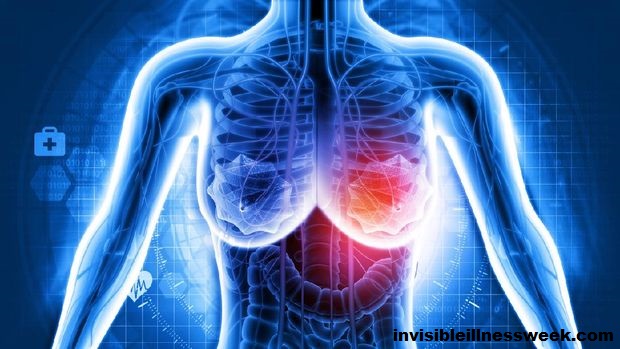
Anatomi Kanker Payudara Dan Bagaimana Kanker Payudara Mulai – Payudara (secara medis dikenal sebagai kelenjar susu) adalah bagian tubuh manusia yang sangat kompleks.Payudara wanita mengalami banyak perubahan seumur hidup mulai dari lahir, pubertas, hamil dan menyusui, hingga menopause.
Anatomi Kanker Payudara Dan Bagaimana Kanker Payudara Mulai
invisibleillnessweek – Jika Anda telah didiagnosis menderita kanker payudara , memahami anatomi payudara dan peran setiap bagian dapat membantu memahami diagnosis Anda. Ini juga dapat membantu Anda berbicara dengan dokter Anda tentang pembedahan dan pilihan pengobatan lainnya .
Baca Juga : Faktor Risiko Kanker Ginjal
Semua payudara mengandung jaringan lemak dan berserat. Lobulus juga dapat disebut sebagai jaringan kelenjar. Payudara laki-laki memiliki saluran tetapi sedikit atau tidak ada lobus atau lobulus. Jaringan payudara memanjang dari tulang selangka ke bawah tulang rusuk, tulang dada (tulang dada) dan ketiak.
Apa itu lobus payudara dan saluran payudara?
Setiap payudara wanita berisi 15-20 bagian yang disebut lobus. Setiap lobus terdiri dari banyak kantung kecil yang disebut lobulus (kelenjar susu). Lobulus inilah yang menghasilkan susu pada wanita menyusui. Lobus dan lobulus terhubung ke puting dengan tabung yang disebut saluran, yang membawa susu ke puting. Susu mengalir melalui puting ke luar selama menyusui.
Apa itu kelenjar getah bening?
Kelenjar getah bening (juga disebut kelenjar getah bening) kecil, struktur bulat sekitar 1 mm sampai 25 mm yang ditemukan di seluruh tubuh. Kelenjar getah bening merupakan bagian dari sistem limfatik. Sistem limfatik adalah bagian penting dari sistem kekebalan tubuh yang melindungi tubuh dari penyakit dan infeksi. Ini berisi jaringan tabung tipis yang disebut pembuluh getah bening yang ditemukan di seluruh tubuh.
Pembuluh getah bening ini mengangkut cairan bening yang disebut getah bening di antara kelenjar getah bening. Kelenjar getah bening menyaring getah bening untuk menjebak atau membuang zat berbahaya bagi tubuh, seperti bakteri atau sel kanker. Ini membantu melindungi tubuh dari penyakit atau infeksi. Getah bening kemudian melewati kembali ke darah .
Kelenjar getah bening yang paling dekat dengan payudara adalah yang ada di ketiak, yang dikenal sebagai kelenjar aksila. Kelenjar ketiak mengalirkan getah bening dari jaringan terdekat, termasuk payudara. Ada juga kelenjar getah bening di bawah tulang dada (kelenjar susu internal) dan di leher ( kelenjar supraklavikula ). Jumlah kelenjar getah bening bervariasi antara orang yang berbeda. Biasanya ada sekitar 15-30 kelenjar getah bening di ketiak.
Karena pembuluh getah bening membawa getah bening dari payudara, pada kasus kanker payudara, sel kanker dapat masuk ke pembuluh getah bening dan mulai tumbuh di kelenjar getah bening. Kelenjar ketiak seringkali merupakan tempat pertama penyebaran kanker di luar payudara.
Biasanya, pembedahan digunakan untuk mengangkat satu atau lebih kelenjar aksila untuk membantu memeriksa penyebaran kanker. Kanker yang ditemukan di kelenjar getah bening mempengaruhi stadium dan pengobatan kanker payudara.
Apa yang ditunjukkan oleh mammogram?
Mammogram adalah tes yang digunakan untuk memeriksa bagian dalam payudara, menggunakan sinar-X dosis rendah . Seorang dokter terlatih (radiografer) dapat menginterpretasikan gambar untuk mengidentifikasi area abnormal, massa atau endapan kalsium yang mungkin atau mungkin tidak mengindikasikan kanker payudara.
Mammogram yang dilakukan pada wanita yang tidak memiliki tanda atau gejala kanker payudara disebut mammogram skrining. Mammogram yang digunakan untuk mengevaluasi gejala payudara yang tidak normal (seperti benjolan payudara atau massa yang mencurigakan pada mammogram skrining) disebut mammogram diagnostik.
Apa itu payudara padat?
Payudara mengandung jaringan kelenjar, ikat dan lemak. Kepadatan payudara (atau kepadatan mamografi) adalah istilah yang digunakan untuk menggambarkan proporsi yang berbeda dari jenis jaringan yang terdeteksi oleh mammogram. Payudara yang padat memiliki jumlah jaringan ikat dan/atau kelenjar yang relatif tinggi dan jaringan lemak yang rendah. Hanya mammogram yang dapat menunjukkan apakah seorang wanita memiliki payudara yang padat. Kepadatan payudara tidak berhubungan dengan bagaimana payudara terlihat, terasa, ukurannya atau kekencangannya.
Pada mammogram, jaringan ikat atau fibrosa tampak putih sedangkan jaringan lemak tampak gelap. Karena kanker payudara juga tampak putih, hal ini dapat mempersulit spesialis untuk mengidentifikasi kanker pada wanita dengan payudara padat. Namun, meski dengan payudara padat, skrining mammogram masih merupakan metode paling efektif untuk mendeteksi dini kanker payudara bagi wanita di atas usia 50 tahun .
Payudara yang padat juga cenderung lebih sering terjadi pada wanita yang lebih muda atau wanita dengan indeks massa tubuh yang lebih rendah. Selain itu, kepadatan payudara cenderung berkurang seiring bertambahnya usia wanita.
Payudara Normal Berubah Sepanjang Hidup
Payudara wanita akan mengalami berbagai perubahan normal selama seumur hidup. Banyak dari perubahan ini didorong oleh hormon. Mereka bisa terkait dengan siklus menstruasi, kehamilan atau proses penuaan normal. Sebagian besar perubahan payudara bukanlah kanker, namun jika Anda melihat perubahan payudara yang tidak biasa, penting bagi Anda untuk berbicara dengan dokter agar dapat diperiksa sesegera mungkin.
Perubahan payudara normal sepanjang hidup meliputi:
- Perubahan payudara selama kehamilan
Selama kehamilan, payudara mengalami berbagai perubahan sebagai persiapan untuk menyusui setelah melahirkan. Areola yang mengelilingi puting susu akan membesar dan menjadi lebih gelap. Lobulus (kelenjar susu) payudara bertambah besar dan jumlahnya. Mereka juga mulai memproduksi ASI sehingga seorang ibu dapat menyusui bayinya.
- Pengaruh perubahan hormonal pada payudara
Saat wanita berkembang dari pra-pubertas melalui pubertas, kehamilan dan menopause, payudara akan dipengaruhi oleh berbagai fluktuasi hormon. Selama pubertas, hormon yang diproduksi oleh ovarium (seperti estrogen) menyebabkan pertumbuhan dan perkembangan payudara . Setelah pubertas, hormon estrogen dan progesteron akan berubah sepanjang siklus menstruasi bulanan wanita. Hal ini dapat menyebabkan payudara wanita bengkak atau lunak pada waktu yang berbeda dalam sebulan .
Selama kehamilan tubuh akan menghasilkan tambahan estrogen dan progesteron, yang memicu pertumbuhan dan perkembangan payudara lebih lanjut untuk mempersiapkan ibu menyusui. Sekitar masa menopause (perimenopause), ovarium berhenti memproduksi hormon wanita termasuk estrogen. Tanpa estrogen, jaringan payudara mengecil ukurannya . Setelah menopause (post-menopause), periode menstruasi bulanan berhenti.
Bagaimana Kanker Mulai Di Payudara?
Untuk memahami bagaimana kanker dapat bermula, akan sangat membantu untuk memahami bagaimana sel dan jaringan biasa berfungsi dan berkembang. Sel-sel sehat adalah blok bangunan dasar dari semua jaringan dan organ dalam tubuh. Tubuh terus-menerus membuat sel-sel baru untuk menggantikan jaringan yang aus atau untuk menyembuhkan luka. Sel normal diprogram untuk tumbuh dan membelah secara teratur dan terkendali, sehingga setiap sel baru menggantikan sel yang hilang.
Terkadang sel menjadi tidak normal dan terus tumbuh. Saat tumbuh, mereka dapat membentuk massa atau benjolan yang disebut tumor. Namun, tidak semua tumor adalah kanker. Beberapa tumor jinak (non-kanker), yang berarti mereka cenderung tumbuh perlahan dan biasanya tidak menyerang jaringan di sekitarnya atau bagian lain dari tubuh. Tumor yang bersifat ganas (kanker) berpotensi menyerang dan menyebar ke bagian tubuh lainnya.
Kanker payudara dimulai ketika sel-sel di payudara (seperti sel-sel yang melapisi saluran dan lobulus) mulai tumbuh secara tidak normal. Sel-sel ini berpotensi tumbuh di luar kendali dan menyerang jaringan di sekitarnya. Ketika ini terjadi, ini disebut kanker payudara invasif. Jika sel kanker terus tumbuh, mereka dapat menyebar ke luar payudara ke bagian tubuh lainnya, yang dapat mengancam jiwa.
Ada berbagai jenis kondisi payudara yang diberi nama sesuai area payudara tempat mereka mulai:
Kondisi payudara non-invasif
- Karsinoma duktal in situ (DCIS) – sel abnormal di saluran payudara, yang dapat berkembang menjadi kanker payudara invasif.
- Karsinoma lobular in situ (LCIS) – sel abnormal di lobulus payudara, yang meningkatkan risiko berkembangnya kanker payudara.
Kanker payudara invasif
- Karsinoma duktal invasif (IDC) – yang dimulai di saluran dan merupakan 80% dari kanker payudara
- Karsinoma lobular invasif (ILC) – yang dimulai di lobulus dan merupakan 10% dari kanker payudara
Ada juga jenis kanker payudara lain yang kurang umum seperti kanker payudara inflamasi , penyakit Paget pada puting susu, dan kanker payudara metaplastik. Sejumlah kecil kanker juga dimulai di jaringan lain di payudara, seperti sarkoma (kanker jaringan lunak) dan limfoma (kanker sistem limfatik), meskipun ini tidak dianggap sebagai kanker payudara.
Bagaimana Kanker Menyebar ke Luar Payudara?
Kanker payudara dapat menyerang melalui jaringan terdekat, atau menyebar ke seluruh tubuh melalui sistem limfatik dan darah.
- Jaringan: kanker menyebar dari tempat asalnya dan tumbuh ke area terdekat (sering disebut sebagai “invasif”).
- Sistem limfatik: sel kanker payudara melepaskan diri dari tempat asalnya dan dapat memasuki tabung getah bening (pembuluh) terdekat, tumbuh di kelenjar getah bening terdekat atau berjalan melalui pembuluh getah bening ke bagian tubuh lainnya.
- Darah: sel kanker payudara melepaskan diri dari tempat asalnya dan dapat masuk dan melakukan perjalanan melalui pembuluh darah terdekat ke bagian tubuh lainnya.
Di mana tempat pertama kanker payudara menyebar?
Tempat pertama penyebaran kanker payudara ke luar payudara adalah kelenjar getah bening di ketiak (kelenjar aksila). Pembedahan biasanya diperlukan untuk mengangkat satu atau lebih kelenjar getah bening untuk membantu memeriksa penyebaran kanker payudara. Operasi untuk mengangkat kelenjar getah bening di ketiak ini dikenal sebagai operasi aksila.
Kanker payudara yang ditemukan di kelenjar getah bening akan berdampak pada stadium kanker payudara, dan rencana pengobatan juga akan sering terpengaruh. Jika kanker ditemukan di kelenjar getah bening, ada kemungkinan lebih tinggi bahwa sel telah melakukan perjalanan melalui sistem limfatik dan aliran darah untuk menyebar (metastasis) ke bagian lain dari tubuh. Dalam hal ini, pengobatan dengan terapi sistemik, seperti kemoterapi , kemungkinan akan direkomendasikan.
Jika kanker ditemukan di kelenjar aksila dalam jumlah besar, radioterapi juga dapat direkomendasikan untuk membunuh sel kanker payudara yang tersisa di ketiak tetapi tidak dapat diangkat melalui pembedahan.
Gejala Kanker Payudara
Meski benjolan di payudara merupakan gejala umum kanker payudara, tidak semua kanker payudara memiliki gejala yang jelas . Misalnya, beberapa benjolan mungkin terlalu kecil untuk dirasakan, tetapi dapat dideteksi dengan pemeriksaan mammogram atau tes lainnya.
Ada juga beberapa kondisi jinak (non kanker) yang dapat menyebabkan benjolan di payudara, seperti kista (kantung berisi cairan di payudara) dan fibroadenoma (benjolan payudara yang terbuat dari jaringan fibrosa dan kelenjar).
Sebagian besar perubahan payudara tidak disebabkan oleh kanker. Namun, penting untuk menemui dokter Anda jika Anda melihat adanya benjolan baru atau perubahan payudara yang tidak biasa lainnya sesegera mungkin. Deteksi dini memberikan peluang terbaik untuk bertahan hidup jika Anda didiagnosis menderita kanker payudara.
Faktor Risiko Kanker Ginjal

Faktor Risiko Kanker Ginjal – Faktor risiko adalah segala sesuatu yang meningkatkan peluang Anda terkena penyakit seperti kanker. Kanker yang berbeda memiliki faktor risiko yang berbeda pula. Beberapa faktor penyebab seperti merokok, dapat dirubah. Informasi lain seperti usia atau riwayat keluarga Anda tidak dapat diubah.
Faktor Risiko Kanker Ginjal
invisibleillnessweek – Tetapi memiliki satu faktor risiko, atau bahkan beberapa faktor risiko, tidak berarti Anda akan terkena penyakit tersebut. Dan beberapa orang yang terkena penyakit ini mungkin memiliki sedikit atau tidak ada faktor risiko yang diketahui.
Baca Juga : Semua yang Perlu Anda Ketahui Tentang Kanker Kolesterol
Bahkan jika seseorang dengan kanker ginjal memiliki faktor risiko, seringkali sangat sulit untuk mengetahui seberapa besar faktor risiko tersebut berkontribusi terhadap kanker. Para ilmuwan telah menemukan beberapa faktor risiko yang dapat membuat Anda lebih mungkin terkena kanker ginjal.
Merokok
Merokok meningkatkan risiko berkembangnya karsinoma sel ginjal (RCC). Meningkatnya risiko tampaknya terkait dengan seberapa banyak Anda merokok. Risiko turun jika Anda berhenti merokok, tetapi butuh waktu bertahun-tahun untuk mencapai tingkat risiko seseorang yang tidak pernah merokok.
Kegemukan
Orang yang sangat kelebihan berat badan memiliki risiko lebih tinggi terkena RCC. Obesitas dapat menyebabkan perubahan hormon tertentu yang dapat menyebabkan RCC.
Tekanan darah tinggi
Risiko kanker ginjal lebih tinggi pada orang dengan tekanan darah tinggi. Risiko ini tampaknya tidak diturunkan bahkan jika seseorang sedang minum obat untuk mengobati tekanan darah tinggi.
Riwayat keluarga kanker ginjal
Orang dengan riwayat kanker sel ginjal keluarga yang kuat (tanpa salah satu dari kondisi warisan yang diketahui yang tercantum di bawah) memiliki peluang lebih tinggi untuk mengembangkan kanker ini. Risiko ini paling tinggi untuk orang yang memiliki saudara laki-laki atau perempuan dengan kanker. Tidak jelas apakah ini karena gen yang sama, sesuatu yang terpapar pada kedua orang di lingkungan, atau keduanya.
Paparan di tempat kerja
Banyak penelitian menunjukkan bahwa paparan di tempat kerja terhadap zat tertentu, seperti trikloroetilena, meningkatkan risiko RCC.
Jenis kelamin
RCC sekitar dua kali lebih umum pada pria dibandingkan pada wanita. Pria lebih cenderung merokok dan lebih mungkin terpapar bahan kimia penyebab kanker di tempat kerja, yang mungkin menyebabkan beberapa perbedaan.
Penyakit ginjal lanjut
Orang dengan penyakit ginjal lanjut, terutama yang membutuhkan dialisis, memiliki risiko RCC yang lebih tinggi. (Dialisis adalah pengobatan yang digunakan untuk membuang racun dari tubuh Anda jika ginjal Anda tidak berfungsi dengan baik.)
Faktor risiko genetik dan keturunan
Beberapa orang mewarisi gen yang dapat meningkatkan peluang mereka terkena jenis kanker tertentu. DNA di setiap sel Anda yang Anda dapatkan dari orang tua Anda mungkin mengalami perubahan yang memberi Anda risiko ini. Beberapa kondisi bawaan yang langka dapat menyebabkan kanker ginjal. Penting bagi orang yang memiliki penyebab keturunan RCC untuk sering mengunjungi dokter, terutama jika mereka telah didiagnosis menderita RCC.
Beberapa dokter merekomendasikan tes pencitraan rutin (seperti CT scan) untuk mencari tumor ginjal baru pada orang-orang ini. Orang-orang yang memiliki kondisi yang tercantum di sini memiliki risiko yang jauh lebih tinggi untuk terkena kanker ginjal, meskipun hanya mencakup sebagian kecil kasus secara keseluruhan.
penyakit von Hippel-Lindau
Orang dengan kondisi ini sering mengembangkan beberapa jenis tumor dan kista (kantung berisi cairan) di berbagai bagian tubuh. Mereka memiliki peningkatan risiko untuk mengembangkan RCC sel jernih, terutama pada usia yang lebih muda.
Mereka mungkin juga memiliki tumor jinak di mata, otak, sumsum tulang belakang, pankreas, dan organ lainnya; dan sejenis tumor kelenjar adrenal yang disebut pheochromocytoma . Kondisi ini disebabkan oleh mutasi (perubahan) pada gen VHL .
Karsinoma sel ginjal papiler herediter
Orang dengan kondisi ini memiliki kecenderungan untuk mengembangkan satu atau lebih RCC papiler, tetapi mereka tidak memiliki tumor di bagian lain dari tubuh, seperti halnya dengan kondisi bawaan lainnya yang tercantum di sini. Gangguan ini biasanya terkait dengan perubahan gen MET .
Karsinoma sel leiomioma-ginjal herediter
Orang dengan sindrom ini mengembangkan tumor otot polos yang disebut leiomioma (fibroid) pada kulit dan rahim (pada wanita) dan memiliki risiko lebih tinggi untuk mengembangkan RCC papiler. Ini telah dikaitkan dengan perubahan gen FH .
Sindrom Birt-Hogg-Dube (BHD).
Orang dengan sindrom ini mengembangkan banyak tumor kulit jinak kecil dan memiliki peningkatan risiko berbagai jenis tumor ginjal, termasuk RCC dan onkositoma. Mereka mungkin juga memiliki tumor jinak atau ganas dari beberapa jaringan lain. Gen yang terkait dengan BHD dikenal sebagai FLCN .
Kanker ginjal keluarga
Orang dengan kondisi ini mengembangkan tumor yang disebut paraganglioma di daerah kepala dan leher serta kanker tiroid. Mereka juga cenderung terkena kanker ginjal pada kedua ginjalnya sebelum usia 40 tahun. Hal ini disebabkan oleh cacat pada gen SDHB dan SDHD .
Sklerosis tuberosa
Orang dengan sindrom ini mengembangkan banyak tumor jinak (bukan kanker) di berbagai bagian tubuh termasuk kulit, otak, paru-paru, mata, ginjal, dan jantung. Meskipun tumor ginjal paling sering jinak, terkadang bisa berupa RCC sel bening. Ini disebabkan oleh cacat pada gen TSC1 dan TSC2 .
Semua yang Perlu Anda Ketahui Tentang Kanker Kolesterol

Semua yang Perlu Anda Ketahui Tentang Kanker Kolesterol – Ingin tahu apa arti angka-angka itu bagi jantung dan kesehatan Anda? Inilah yang harus Anda ketahui tentang kadar kolesterol darah Anda, dan bagaimana cara mengendalikannya. Untuk dapat mengetahui bagaimana kolesterol dapat mempengaruhi kesehatan Anda, Anda harus terlebih dahulu mengetahui memahami apa sebenarnya arti kolesterol itu sebenarnya .
Semua yang Perlu Anda Ketahui Tentang Kanker Kolesterol
invisibleillnessweek – Menurut American Heart Association (AHA), kolesterol adalah zat lilin yang dibutuhkan tubuh Anda untuk membangun sel dan membuat vitamin serta hormon lainnya. Tubuh Anda membuat semua kolesterol yang dibutuhkan di hati Anda. Tapi Anda juga bisa mendapatkan kolesterol dalam makanan yang Anda makan. Sumber makanan kolesterol terutama produk hewani dan meliputi:
- Daging
- Susu penuh lemak
- Unggas
Makanan ini mengandung kolesterol makanan. Namun, mereka juga cenderung tinggi lemak jenuh dan trans dan memicu hati untuk membuat lebih banyak kolesterol. Makanan lain, seperti minyak sawit, minyak inti sawit, dan minyak kelapa , mengandung lemak jenuh yang dapat meningkatkan apa yang disebut kolesterol “jahat”.
Baca Juga : Ketahui Tentang Cara Pengobatan Kanker Mulut
Bagi sebagian orang, makanan ini merupakan sumber utama peningkatan kolesterol darah. Karena makanan khas Barat sarat dengan makanan ini, peningkatan kadar kolesterol telah menyebabkan epidemi masalah kesehatan yang terkait dengan kolesterol tinggi, kata Trejo Gutierrez, MD , seorang ahli jantung di Mayo Clinic di Jacksonville, Florida.
Meskipun beberapa ahli membantah hubungan langsung antara kadar kolesterol darah tinggi dan penyakit kardiovaskular (CVD) , organisasi besar seperti National Heart, Lung, and Blood Institute (NHLBI) menyatakan bahwa kadar kolesterol darah yang tinggi berperan dalam perkembangan kondisi seperti aterosklerosis , penyakit arteri karotis, penyakit arteri koroner , serangan jantung, stroke, penyakit arteri perifer, dan henti jantung mendadak.
Jenis Kolesterol dan Cara Kerjanya di Tubuh Anda
Kolesterol diangkut melalui sirkulasi dalam dua lipoprotein: lipoprotein densitas tinggi (HDL), juga disebut kolesterol “baik”, dan lipoprotein densitas rendah (LDL), juga disebut kolesterol “jahat”. HDL telah diberi label kolesterol “baik” karena menghilangkan kolesterol LDL dari arteri dan membawanya ke hati, di mana ia dapat dipecah dan dikeluarkan dari tubuh, menurut AHA .
LDL disebut kolesterol “jahat” karena ketika ada terlalu banyak yang beredar dalam darah (lebih dari yang dapat diambil dan diangkut oleh HDL yang baik), akhirnya dapat menumpuk serta menyebabkan plak di dinding arteri Anda. . Ini disebut aterosklerosis. Seiring waktu, ini mempersempit arteri dan meningkatkan risiko serangan jantung, stroke, dan penyakit arteri perifer, catat AHA.
Tingkat trigliserida yang tinggi jenis lemak paling umum di tubuh Anda juga dapat menyebabkan penumpukan lemak di arteri Anda dan meningkatkan risiko serangan jantung dan stroke, jika dikombinasikan dengan kadar kolesterol LDL atau HDL yang tinggi , menurut AHA.
Mengapa Beberapa Orang Lebih Mungkin Memiliki Kolesterol Tinggi Dibandingkan Orang Lain?
Memahami mengapa beberapa orang memiliki angka kolesterol tinggi dan yang lainnya tidak, tidak sesederhana kelihatannya. Misalnya, sementara orang yang kelebihan berat badan lebih cenderung memiliki kolesterol tinggi, orang kurus juga bisa memilikinya, catat AHA . Berikut adalah beberapa faktor yang mempengaruhi kadar kolesterol Anda:
Keturunan
Suatu kondisi yang disebut familial hypercholesterolemia (FH) dapat membuat beberapa orang secara genetik rentan terhadap kadar kolesterol jahat yang tinggi. Ada dua jenis FH: heterozigot, di mana seseorang mewarisi gen abnormal hanya dari satu orang tua; dan homozigot, di mana orang tersebut memiliki dua salinan gen perut, satu dari setiap orang tua.
FH homozigot lebih jarang dan lebih berbahaya. Orang dengan FH tidak mendaur ulang kolesterol LDL secara efektif dan berakhir dengan kadar kolesterol jenis ini yang tinggi, membuat mereka lebih rentan terhadap aterosklerosis, seringkali dimulai pada usia yang jauh lebih muda. Sekitar 1 dari 200 orang dewasa memiliki mutasi genetik FH, menurut AHA . Jika tidak diobati, orang-orang ini memiliki risiko 20 kali lebih tinggi terkena penyakit jantung.
Jika Anda memiliki orang tua, saudara kandung, atau anak yang menderita FH atau yang mengalami serangan jantung di awal kehidupan, Anda disarankan untuk melakukan tes untuk kondisi tersebut. (Mayoritas pasien FH membutuhkan obat penurun kolesterol seperti statin untuk menjaga angka kolesterol mereka dalam kisaran yang sehat.)
Merokok
Meskipun merokok tidak secara langsung menyebabkan kolesterol tinggi, itu dengan sendirinya merupakan risiko utama yang terbukti untuk penyakit jantung dan stroke. Risiko itu meningkat jika Anda juga memiliki kadar kolesterol LDL yang tinggi. Salah satu alasannya adalah merokok menurunkan kadar HDL Anda, membantu mengurangi atau menghapus bentuk efek perlindungan kolesterol itu, menurut AHA .
Berhenti merokok memiliki manfaat langsung pada kesehatan jantung Anda. Sebuah tinjauan penelitian yang diterbitkan dalam jurnal Biomarker Research menemukan bahwa kadar HDL meningkat segera pada orang yang berhenti merokok.
Diet
Ketika berbicara tentang apa yang Anda makan, cara terbaik untuk menurunkan kolesterol Anda adalah dengan mengurangi asupan lemak jenuh dan lemak trans, menurut AHA, yang merekomendasikan untuk membatasi lemak jenuh hingga kurang dari 6 persen kalori harian dan meminimalkan jumlah kalori. lemak trans yang Anda makan. Ini berarti mengurangi daging merah, minyak tropis, makanan yang digoreng, dan produk susu penuh lemak.
Sebaliknya, pilihlah produk susu rendah lemak atau bebas lemak, buah-buahan, sayuran, biji-bijian, unggas, ikan, kacang-kacangan, dan minyak nabati nontropis. Minyak goreng yang lebih sehat termasuk kanola, jagung, zaitun, kacang tanah, safflower, kedelai, bunga matahari, minyak sayur, dan minyak khusus lainnya, catat AHA . Sebagai aturan umum, kata Dr. Gutierrez, “konsumsilah makanan yang sebagian besar didasarkan pada makanan nabati utuh dan rendah lemak jenuh dan hewani.”
Fakta Tentang Obat Penurun Kolesterol
Jika Anda dan dokter Anda merasa bijaksana untuk menurunkan kadar kolesterol Anda, Anda mungkin akan diberi resep obat statin. Pedoman yang dikeluarkan oleh AHA dan American College of Cardiology pada tahun 2019 mengatakan bahwa keputusan untuk memulai terapi statin harus didasarkan pada perhitungan risiko penyakit kardiovaskular Anda selama 10 tahun. (Lihat kalkulator risiko di sini.)
Angka kolesterol, kata Gutierrez, hanyalah sebagian dari gambaran, “walaupun rekomendasi terbaru mengatakan bahwa dengan adanya diabetes Anda harus memulai pengobatan ketika LDL lebih tinggi dari 70 mg/dL.” Dia juga menunjukkan bahwa penting untuk terlebih dahulu mencoba melakukan perubahan gaya hidup , seperti:
- Mengkonsumsi makanan yang lebih sehat
- Berolahraga
- Berhenti merokok
- Mengontrol tekanan darah
Penting juga untuk dicatat bahwa perubahan gaya hidup tersebut tidak boleh ditinggalkan hanya karena Anda sedang minum obat. Obat statin bekerja dengan dua cara, kata Gutierrez. “Mereka memblokir enzim yang membantu Anda memproduksi kolesterol di hati, dan mengaktifkan reseptor LDL di sel hati Anda, sehingga lebih banyak kolesterol ‘ditangkap’ dari darah Anda.”
Selain obat statin, kelas baru obat penurun kolesterol yang disebut inhibitor PCSK9 telah disetujui oleh Food and Drug Administration (FDA) AS pada tahun 2015 untuk mengobati orang dengan hiperkolesterolemia familial dan faktor risiko lainnya. Inhibitor PCSK9 adalah antibodi monoklonal yang bekerja untuk menonaktifkan protein di hati yang disebut proprotein convertase subtilisin-kexin tipe 9 (PCSK9), mengurangi jumlah LDL yang beredar di tubuh Anda.
Kolesterol dan Penyakit Jantung: Memahami Hubungannya
Selama bertahun-tahun, diyakini bahwa ada garis lurus antara kolesterol dan penyakit jantung – tetapi penelitian terbaru menunjukkan bahwa hubungan ini mungkin lebih kompleks. Sebuah studi Yayasan Jantung Minneapolis, yang diterbitkan pada April 2017 di Journal of American Heart Association , menemukan bahwa banyak orang yang mengalami serangan jantung tidak memiliki kolesterol tinggi.
“Hubungan antara kolesterol dan penyakit jantung lemah,” kata Dr. Roberts, yang menyalahkan sebagian besar kegigihan kaitan tersebut pada iklan farmasi untuk obat statin. “Statin menurunkan kadar kolesterol,” katanya, “tetapi aterosklerosis masih berkembang” karena faktor-faktor seperti usia, pola makan yang buruk, merokok, dan sebagainya.
Selain itu, ulasan studi tentang kolesterol dan penyakit kardiovaskular yang diterbitkan pada Agustus 2015 di American Journal of Clinical Nutrition menemukan bahwa tidak ada hubungan ketat yang dapat ditarik antara asupan kolesterol makanan dan risiko CVD.
Sebaliknya, hasil penelitian jangka panjang, yang diterbitkan pada September 2017 di jurnal Circulation , menyimpulkan bahwa penggunaan statin pada pria dengan kolesterol LDL tinggi yang tidak memiliki faktor risiko lain untuk penyakit jantung mengurangi tingkat kematian akibat penyakit jantung koroner, kematian kardiovaskular. , dan semua penyebab kematian sebesar 28 persen selama 20 tahun.
Selanjutnya, sebuah penelitian terhadap lebih dari 400.000 orang yang diterbitkan pada Desember 2019 di The Lancet menemukan hubungan kuat antara kolesterol non-HDL dan risiko jangka panjang penyakit kardiovaskular.
Namun, ketika menyangkut kesehatan jantung, faktor risiko terbesar Anda adalah usia, kata Roberts. Untuk menjaga risiko kolesterol tinggi Anda serendah mungkin dan jantung Anda sesehat mungkin selama Anda bisa, makanlah makanan yang nyata (tidak diproses), berolahraga secara teratur, jangan merokok, dan jaga tekanan darah Anda tetap terkendali.
Ketahui Tentang Cara Pengobatan Kanker Mulut

Ketahui Tentang Cara Pengobatan Kanker Mulut – Perawatan untuk kanker mulut termasuk pembedahan, radioterapi, kemoterapi dan terapi bertarget. Kanker mulut merupakan salah satu jenis kanker kepala dan leher . Kanker yang mempengaruhi kepala dan leher tidak umum. Orang dengan jenis kanker ini biasanya dirawat di pusat spesialis oleh tim profesional kesehatan spesialis.
Ketahui Tentang Cara Pengobatan Kanker Mulut
invisibleillnessweek – Perawatan Anda akan tergantung pada stadium dan tingkat kanker , serta kesehatan umum Anda. Dokter atau perawat spesialis Anda akan menjelaskan pengobatan terbaik untuk Anda dan kemungkinan efek sampingnya.
Baca Juga : 7 Hal Yang Perlu Anda Ketahui Tentang Kanker
Tujuan utamanya adalah untuk menghilangkan dan menghancurkan kanker, tetapi dokter Anda juga akan mencoba mengurangi efek pengobatan jangka panjang. Misalnya, mereka akan merencanakan perawatan Anda sehingga efeknya pada penampilan dan kemampuan Anda berbicara, mengunyah, dan menelan sesedikit mungkin.
Anda mungkin hanya memerlukan satu jenis perawatan. Namun terkadang diberikan 2 atau lebih perawatan. Ketika kemoterapi dan radioterapi diberikan bersamaan, itu disebut kemoradiasi. Kami memahami bahwa menjalani perawatan bisa menjadi waktu yang sulit bagi orang-orang.
Operasi
Pembedahan seringkali merupakan satu-satunya pengobatan yang diperlukan untuk mengangkat kanker mulut stadium awal. Dokter bedah mengangkat kanker dan area kecil (margin) jaringan normal di sekitar tumor. Ada sedikit kemungkinan sel kanker tertinggal, karena ahli bedah mengambil area ekstra dari jaringan normal ini.
Dokter bedah juga dapat mengangkat beberapa kelenjar getah bening dari leher. Mereka mungkin melakukan ini untuk menghilangkan kanker yang telah menyebar ke kelenjar getah bening atau untuk mengurangi risiko kanker kembali.
Bagaimana ahli bedah mengangkat kanker tergantung pada ukurannya dan di mana letaknya di dalam mulut . Tujuan utama dari operasi adalah untuk mengangkat kanker sepenuhnya. Tetapi ahli bedah Anda juga akan melakukan segala kemungkinan untuk meminimalkan perubahan yang mungkin terjadi akibat pembedahan pada bicara, menelan, atau penampilan wajah Anda.
Beberapa orang membutuhkan operasi yang lebih besar. Mereka mungkin perlu menghilangkan sebagian tulang rahang atau lidahnya. Ahli bedah dapat menggunakan jaringan, kulit atau tulang yang diambil dari tempat lain di tubuh untuk membangun kembali area ini. Dokter Anda akan menjelaskan operasi kepada Anda sebelumnya. Anda akan dapat mengajukan pertanyaan apa pun yang Anda miliki tentang hal itu.
Radioterapi
Radioterapi menggunakan sinar berenergi tinggi untuk menghancurkan sel-sel kanker, sambil melakukan sesedikit mungkin kerusakan pada sel-sel normal. Radioterapi kadang-kadang diberikan sebagai pengganti operasi untuk mengobati kanker mulut stadium awal.
Ini sering digunakan setelah operasi untuk mengurangi risiko kanker datang kembali atau untuk mengobati kanker yang datang kembali. Radioterapi juga dapat digunakan untuk mengobati daerah leher jika ada tanda-tanda kanker pada kelenjar getah bening . Anda mungkin memiliki efek samping selama radioterapi . Ini biasanya menjadi lebih baik secara perlahan setelah perawatan selesai.
Kemoterapi
Kemoterapi menggunakan obat anti kanker (sitotoksik) untuk menghancurkan sel kanker. Perawatan ini dapat diberikan:
- sebelum operasi atau radioterapi untuk mengecilkan kanker dan membuatnya lebih mudah untuk diobati
- bersamaan dengan radioterapi (kemoradiasi) kemoterapi dapat membuat sel kanker lebih sensitif terhadap pengobatan radioterapi
- untuk mengobati kanker yang telah menyebar atau kembali setelah pengobatan sebelumnya.
Obat kemoterapi yang paling sering digunakan untuk mengobati kanker mulut adalah cisplatin dan fluorouracil (5FU) . Ini biasanya diberikan ke dalam vena (intravena). Kemoterapi biasanya tidak digunakan untuk mengobati kanker bibir.
Kemoradiasi
Kemoradiasi adalah ketika Anda menjalani kemoterapi dan radioterapi secara bersamaan. Kemoterapi dapat membuat sel kanker lebih sensitif terhadap pengobatan radioterapi. Kemoradiasi dapat diberikan sebagai pengganti operasi untuk mengobati kanker mulut stadium awal. Atau bisa diberikan setelah operasi untuk mengurangi risiko kanker kembali.
Melakukan kemoradiasi lebih efektif daripada hanya menjalani kemoterapi atau radioterapi, tetapi dapat menyebabkan efek samping yang lebih parah. Penting bahwa Anda cukup sehat untuk mengatasi efek samping dari kedua perawatan tersebut bersama-sama.
Terapi yang ditargetkan
Obat terapi yang ditargetkan bekerja dengan menargetkan sesuatu di dalam atau di sekitar sel kanker yang membantunya tumbuh dan bertahan. Cetuximab adalah terapi target yang paling umum digunakan untuk mengobati kanker mulut. Obat ini dapat menghentikan pertumbuhan dan pembelahan sel kanker. Ini juga dapat membuat kanker lebih sensitif terhadap efek radioterapi.
Anda mungkin memiliki cetuximab dengan radioterapi jika Anda tidak dapat menjalani kemoradiasi. Anda mungkin juga memilikinya dengan kemoterapi untuk mengobati kanker yang telah menyebar atau kembali.
7 Hal Yang Perlu Anda Ketahui Tentang Kanker

7 Hal Yang Perlu Anda Ketahui Tentang Kanker – Di Lima, Peru minggu ini, syuting film pendek NCDFREE terbaru kami tentang ketidaksetaraan dan kemajuan dalam perawatan kanker kolaborasi dengan UICC (badan kanker global) dan GlobalRT (kelompok yang bertujuan untuk meningkatkan akses global ke radioterapi).
7 Hal Yang Perlu Anda Ketahui Tentang Kanker
nvisibleillnessweek – Sebuah negara yang indah dan bangsa dengan orang-orang yang luar biasa, kreatif dan bersemangat film ini bertujuan untuk menyoroti beberapa keberhasilan dan tantangan perawatan kanker global di negara-negara berpenghasilan rendah dan menengah, serta membawa perhatian pada perlunya investasi lebih lanjut dalam pencegahan dan pengobatan kelompok penyakit ini.
Baca Juga : Hal Yang Perlu Anda Ketahui Didiagnosis Kanker Payudara
Film ini akan dirilis dalam beberapa bulan mendatang, tetapi sementara itu saya ingin berbagi beberapa fakta dan mitos penting seputar kanker dengan Anda. Membongkar beberapa kesalahpahaman yang meluas dan abadi tentang kanker secara global
1. Kanker bukanlah penyakit kemakmuran tetapi kekayaan dapat mengubah jenis dan hasil
Ketika orang berpikir tentang kanker, mereka biasanya memikirkan orang kaya di negara kaya. Sebenarnya, kenyataannya adalah 70% dari semua kasus kanker di seluruh dunia terjadi di negara-negara berpenghasilan rendah dan menengah, menimbulkan beban kesehatan dan ekonomi masyarakat yang sangat besar.
Sekarang tentu saja, ini juga di mana sebagian besar populasi dunia tinggal, tetapi kenyataannya masih jutaan kasus kanker terjadi di sistem perawatan kesehatan yang paling tidak siap untuk mengobatinya (dan beberapa akan berpendapat menemukannya) dan di komunitas dan keluarga paling tidak. mampu mengatasi konsekuensi kesehatan dan keuangan.
Kesalahpahaman yang tidak hanya mempengaruhi prioritas lokal tetapi juga global dan pendanaan untuk kondisi ini dalam anggaran pembangunan, respon filantropi, bantuan dan pengeluaran kesehatan nasional. Terlebih lagi, seperti biasa, itu tidak sesederhana itu.
Karena meskipun tingkat kanker (usia standar, per 100.000 orang) masih lebih tinggi di negara-negara kaya, jenis kankernya berbeda dan pasien biasanya muncul kemudian di rangkaian yang lebih miskin dengan penyakit yang lebih lanjut. Sebagai contoh di seluruh dunia, penyebab utama kematian akibat kanker pada wanita adalah kanker payudara, tetapi di banyak negara miskin adalah kanker serviks.
2. Ini bukan tentang kemalasan
Sebuah mitos klasik tentang kanker dan khususnya kanker usus, adalah bahwa ini adalah penyakit kemalasan. Sebenarnya, ada banyak sekali penyebab dan banyak yang masih belum kita ketahui atau pahami. Hal-hal seperti diet, tembakau dan alkohol; infeksi dan peradangan kronis; tetapi juga pencemaran lingkungan; dan genetika.
3. Kanker tidak selalu ‘tidak menular’
Meskipun saya banyak berbicara tentang PTM atau penyakit tidak menular beberapa kanker sebenarnya disebabkan oleh infeksi. Faktanya, sekitar seperlima dari semua kanker di seluruh dunia disebabkan oleh cara ini termasuk kanker serviks dan hati, yang sangat umum di negara-negara miskin. Namun, kabar baiknya adalah bahwa dua virus yang menyebabkan kanker ini sebagian besar dapat dicegah dengan vaksin hepatitis B dan virus pappiloma manusia.
4. Tembakau adalah satu-satunya penyebab kanker terbesar yang dapat dicegah
Polos dan sederhana, tembakau itu buruk. Menyebabkan 22% dari semua kematian akibat kanker di seluruh dunia, perjuangan yang baik melawan tembakau, iklan tembakau dan perusahaan besar yang membuat karsinogen ini terus berlanjut.
5. Kita bisa mencegah banyak kanker
Beberapa kabar baik, banyak kanker dapat dicegah. 30% kanker dapat dicegah dengan tidak menggunakan tembakau, menjalani diet sehat, aktif secara fisik, membatasi penggunaan alkohol, dan divaksinasi untuk infeksi penyebab kanker yang paling umum. Ini sebagian besar merupakan fokus kebijakan kesehatan masyarakat untuk kanker yang “mencegah lebih baik daripada mengobati” akan selalu menjadi mantra inti.
6. Deteksi dini dan pengobatan menyelamatkan nyawa
Membangun pencegahan, deteksi dini, dan akses awal ke pengobatan adalah yang terpenting, saling melengkapi dengan perawatan yang terbagi dalam tiga kelompok besar: pembedahan, kemoterapi dan radioterapi… Kanker payudara, serviks, dan kolorektal, misalnya, seringkali dapat disembuhkan jika ditemukan dan diobati pada tahap awal penyakit dan jauh lebih murah (dalam hal biaya kesehatan, ekonomi dan sosial) jika diidentifikasi dengan cepat.
Tantangan-tantangan ini diperbesar dalam konteks sistem kesehatan yang lebih lemah dan pendanaan yang terbatas, tetapi penting untuk diingat bahwa skrining dan deteksi dini menghemat uang dan nyawa argumen pendorong untuk pekerjaan berkelanjutan dalam memastikan cakupan pencegahan dan perawatan universal .
7. Perawatan paliatif dan penghilang rasa sakit harus menjadi universal
Meskipun sejumlah besar kanker dapat dicegah atau disembuhkan melalui kebijakan, gaya hidup, skrining dan perawatan yang tepat banyak yang tidak. Untuk alasan ini, penting juga bahwa setiap orang memiliki akses ke penghilang rasa sakit dan perawatan paliatif saat sekarat karena kanker. Namun pada kenyataannya, banyak yang tidak. Ini adalah salah satu bidang di mana sains memiliki jawabannya dan ini bukan tentang kurangnya teknologi atau pemahaman, hanya kurangnya dana dan kemauan politik global. Ini adalah celah yang harus ditutup.